The role of sound design in products
The role of sound design in products
Mar 19, 2024
Mar 19, 2024
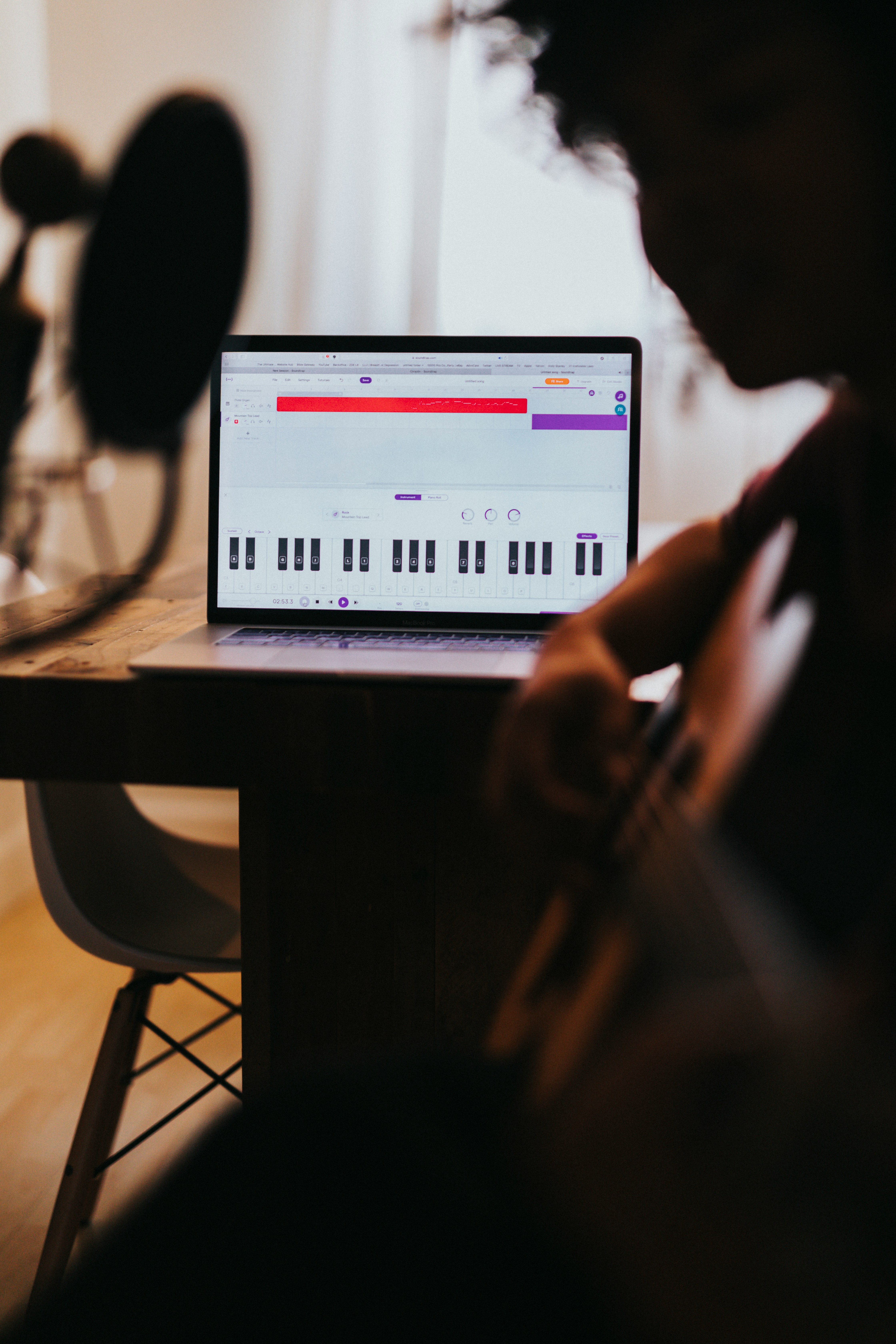
Image by Soundtrap
Sound design plays a crucial role in shaping the overall user experience and reinforcing brand identity. From ringtones and alerts to feedback sounds, well-crafted audio elements enhance functionality, evoke emotions, and create memorable interactions with products. By carefully considering the auditory aspects of a product, designers can improve usability, accessibility, and user satisfaction.
Enhancing User Experience through Sound Design
Functional Feedback
Confirmation and Errors
Sounds provide immediate feedback on user actions, confirming successful operations or alerting to errors. For example, the "sent" sound in email applications or the error beep when a wrong key is pressed.Guidance and Navigation
Audio cues can guide users through complex interfaces, helping them navigate menus, find features, and understand their current context within the app or device.
Emotional Engagement
Positive Reinforcement
Pleasant sounds can create a sense of accomplishment and satisfaction, such as the "ding" when a task is completed or a goal is met.Mood Setting
Background music or ambient sounds can set the tone and mood, enhancing the overall experience. For example, calming sounds in meditation apps or upbeat music in fitness applications.
Brand Identity and Recognition
Signature Sounds
Unique audio elements, like the startup chime of a Mac or the notification sound of an iPhone, contribute to brand identity and make products instantly recognizable.Consistency Across Products
Consistent use of sound design across a brand’s products helps create a cohesive brand experience, reinforcing brand recognition and loyalty.
Key Elements of Sound Design
Ringtones and Alerts
Customization
Allowing users to personalize ringtones and alerts enhances the user experience, making devices feel more personal and tailored to individual preferences.Distinctiveness
Designing distinctive ringtones and alerts that stand out helps users quickly identify their devices and notifications in various environments.
User Interface Sounds
Button Clicks and Taps
Subtle sounds accompanying button clicks and taps provide tactile feedback, making interactions feel more responsive and satisfying.Transitions and Animations
Sounds that accompany transitions and animations can smooth the user experience, making interactions feel more fluid and engaging.
Ambient Sounds
Background Audio
Carefully selected background music or ambient sounds can enhance the overall atmosphere of an app or device, contributing to user immersion and enjoyment.Contextual Sounds
Context-sensitive audio that changes based on user actions or environmental factors can make experiences more dynamic and responsive.
Examples of Effective Sound Design
Apple iOS
Notification Sounds
Apple’s iOS uses distinctive notification sounds that are easily recognizable and associated with specific functions, like messages, emails, and calendar alerts.Haptic Feedback
Combined with subtle audio cues, haptic feedback in iPhones provides a multi-sensory experience, enhancing the tactile feel of interactions.
Tesla
Car Sounds
Tesla incorporates unique sounds for various car functions, such as the whoosh of the door handles extending or the soft chime when the car is ready to drive, enhancing the futuristic feel of the vehicle.Alert Sounds
Safety alerts and notifications are designed to be clear and attention-grabbing, ensuring that drivers are promptly informed of important information.
Video Games
Interactive Soundscapes
Video games use dynamic soundscapes that react to player actions, creating immersive environments and enhancing gameplay through auditory feedback.Character Voices
Character voices and sound effects contribute to storytelling and emotional engagement, making the game world more vivid and believable.
Benefits of Thoughtful Sound Design
Improved Usability
Accessibility
Audio cues and feedback can improve accessibility for users with visual impairments, providing essential information through sound.Efficiency
Well-designed sounds help users perform tasks more efficiently by providing immediate and clear feedback.
Enhanced User Satisfaction
Emotional Connection
Engaging sounds create positive emotional responses, increasing user satisfaction and loyalty.Delight and Surprise
Thoughtful and playful sound design elements can delight users, adding a layer of enjoyment to their interactions.
Stronger Brand Loyalty
Brand Differentiation
Unique sound design sets a brand apart from competitors, creating a distinctive and memorable user experience.Consistency and Trust
Consistent use of sound across products reinforces brand identity and builds user trust and familiarity.
Challenges in Sound Design
Balancing Subtlety and Noticeability
Avoiding Annoyance
Sounds need to be noticeable without being intrusive or annoying, which requires careful tuning and user testing.Context Sensitivity
Designing sounds that work well in different contexts and environments, such as quiet offices or noisy public places, can be challenging.
Technical Limitations
Device Capabilities
Sound design must consider the capabilities and limitations of the device’s audio hardware, ensuring that sounds are clear and effective on all platforms.Battery Consumption
Continuous or complex audio processing can affect battery life, necessitating efficient sound design solutions.
Conclusion
Sound design is a powerful tool that significantly impacts the user experience and brand identity. By incorporating well-designed audio elements, from ringtones and alerts to feedback sounds, designers can enhance functionality, evoke emotions, and create memorable interactions. Thoughtful sound design not only improves usability and accessibility but also fosters emotional connections and strengthens brand loyalty. As technology continues to evolve, the role of sound design in creating engaging and distinctive product experiences will only grow in importance.
Sound design plays a crucial role in shaping the overall user experience and reinforcing brand identity. From ringtones and alerts to feedback sounds, well-crafted audio elements enhance functionality, evoke emotions, and create memorable interactions with products. By carefully considering the auditory aspects of a product, designers can improve usability, accessibility, and user satisfaction.
Enhancing User Experience through Sound Design
Functional Feedback
Confirmation and Errors
Sounds provide immediate feedback on user actions, confirming successful operations or alerting to errors. For example, the "sent" sound in email applications or the error beep when a wrong key is pressed.Guidance and Navigation
Audio cues can guide users through complex interfaces, helping them navigate menus, find features, and understand their current context within the app or device.
Emotional Engagement
Positive Reinforcement
Pleasant sounds can create a sense of accomplishment and satisfaction, such as the "ding" when a task is completed or a goal is met.Mood Setting
Background music or ambient sounds can set the tone and mood, enhancing the overall experience. For example, calming sounds in meditation apps or upbeat music in fitness applications.
Brand Identity and Recognition
Signature Sounds
Unique audio elements, like the startup chime of a Mac or the notification sound of an iPhone, contribute to brand identity and make products instantly recognizable.Consistency Across Products
Consistent use of sound design across a brand’s products helps create a cohesive brand experience, reinforcing brand recognition and loyalty.
Key Elements of Sound Design
Ringtones and Alerts
Customization
Allowing users to personalize ringtones and alerts enhances the user experience, making devices feel more personal and tailored to individual preferences.Distinctiveness
Designing distinctive ringtones and alerts that stand out helps users quickly identify their devices and notifications in various environments.
User Interface Sounds
Button Clicks and Taps
Subtle sounds accompanying button clicks and taps provide tactile feedback, making interactions feel more responsive and satisfying.Transitions and Animations
Sounds that accompany transitions and animations can smooth the user experience, making interactions feel more fluid and engaging.
Ambient Sounds
Background Audio
Carefully selected background music or ambient sounds can enhance the overall atmosphere of an app or device, contributing to user immersion and enjoyment.Contextual Sounds
Context-sensitive audio that changes based on user actions or environmental factors can make experiences more dynamic and responsive.
Examples of Effective Sound Design
Apple iOS
Notification Sounds
Apple’s iOS uses distinctive notification sounds that are easily recognizable and associated with specific functions, like messages, emails, and calendar alerts.Haptic Feedback
Combined with subtle audio cues, haptic feedback in iPhones provides a multi-sensory experience, enhancing the tactile feel of interactions.
Tesla
Car Sounds
Tesla incorporates unique sounds for various car functions, such as the whoosh of the door handles extending or the soft chime when the car is ready to drive, enhancing the futuristic feel of the vehicle.Alert Sounds
Safety alerts and notifications are designed to be clear and attention-grabbing, ensuring that drivers are promptly informed of important information.
Video Games
Interactive Soundscapes
Video games use dynamic soundscapes that react to player actions, creating immersive environments and enhancing gameplay through auditory feedback.Character Voices
Character voices and sound effects contribute to storytelling and emotional engagement, making the game world more vivid and believable.
Benefits of Thoughtful Sound Design
Improved Usability
Accessibility
Audio cues and feedback can improve accessibility for users with visual impairments, providing essential information through sound.Efficiency
Well-designed sounds help users perform tasks more efficiently by providing immediate and clear feedback.
Enhanced User Satisfaction
Emotional Connection
Engaging sounds create positive emotional responses, increasing user satisfaction and loyalty.Delight and Surprise
Thoughtful and playful sound design elements can delight users, adding a layer of enjoyment to their interactions.
Stronger Brand Loyalty
Brand Differentiation
Unique sound design sets a brand apart from competitors, creating a distinctive and memorable user experience.Consistency and Trust
Consistent use of sound across products reinforces brand identity and builds user trust and familiarity.
Challenges in Sound Design
Balancing Subtlety and Noticeability
Avoiding Annoyance
Sounds need to be noticeable without being intrusive or annoying, which requires careful tuning and user testing.Context Sensitivity
Designing sounds that work well in different contexts and environments, such as quiet offices or noisy public places, can be challenging.
Technical Limitations
Device Capabilities
Sound design must consider the capabilities and limitations of the device’s audio hardware, ensuring that sounds are clear and effective on all platforms.Battery Consumption
Continuous or complex audio processing can affect battery life, necessitating efficient sound design solutions.
Conclusion
Sound design is a powerful tool that significantly impacts the user experience and brand identity. By incorporating well-designed audio elements, from ringtones and alerts to feedback sounds, designers can enhance functionality, evoke emotions, and create memorable interactions. Thoughtful sound design not only improves usability and accessibility but also fosters emotional connections and strengthens brand loyalty. As technology continues to evolve, the role of sound design in creating engaging and distinctive product experiences will only grow in importance.
Sound design plays a crucial role in shaping the overall user experience and reinforcing brand identity. From ringtones and alerts to feedback sounds, well-crafted audio elements enhance functionality, evoke emotions, and create memorable interactions with products. By carefully considering the auditory aspects of a product, designers can improve usability, accessibility, and user satisfaction.
Enhancing User Experience through Sound Design
Functional Feedback
Confirmation and Errors
Sounds provide immediate feedback on user actions, confirming successful operations or alerting to errors. For example, the "sent" sound in email applications or the error beep when a wrong key is pressed.Guidance and Navigation
Audio cues can guide users through complex interfaces, helping them navigate menus, find features, and understand their current context within the app or device.
Emotional Engagement
Positive Reinforcement
Pleasant sounds can create a sense of accomplishment and satisfaction, such as the "ding" when a task is completed or a goal is met.Mood Setting
Background music or ambient sounds can set the tone and mood, enhancing the overall experience. For example, calming sounds in meditation apps or upbeat music in fitness applications.
Brand Identity and Recognition
Signature Sounds
Unique audio elements, like the startup chime of a Mac or the notification sound of an iPhone, contribute to brand identity and make products instantly recognizable.Consistency Across Products
Consistent use of sound design across a brand’s products helps create a cohesive brand experience, reinforcing brand recognition and loyalty.
Key Elements of Sound Design
Ringtones and Alerts
Customization
Allowing users to personalize ringtones and alerts enhances the user experience, making devices feel more personal and tailored to individual preferences.Distinctiveness
Designing distinctive ringtones and alerts that stand out helps users quickly identify their devices and notifications in various environments.
User Interface Sounds
Button Clicks and Taps
Subtle sounds accompanying button clicks and taps provide tactile feedback, making interactions feel more responsive and satisfying.Transitions and Animations
Sounds that accompany transitions and animations can smooth the user experience, making interactions feel more fluid and engaging.
Ambient Sounds
Background Audio
Carefully selected background music or ambient sounds can enhance the overall atmosphere of an app or device, contributing to user immersion and enjoyment.Contextual Sounds
Context-sensitive audio that changes based on user actions or environmental factors can make experiences more dynamic and responsive.
Examples of Effective Sound Design
Apple iOS
Notification Sounds
Apple’s iOS uses distinctive notification sounds that are easily recognizable and associated with specific functions, like messages, emails, and calendar alerts.Haptic Feedback
Combined with subtle audio cues, haptic feedback in iPhones provides a multi-sensory experience, enhancing the tactile feel of interactions.
Tesla
Car Sounds
Tesla incorporates unique sounds for various car functions, such as the whoosh of the door handles extending or the soft chime when the car is ready to drive, enhancing the futuristic feel of the vehicle.Alert Sounds
Safety alerts and notifications are designed to be clear and attention-grabbing, ensuring that drivers are promptly informed of important information.
Video Games
Interactive Soundscapes
Video games use dynamic soundscapes that react to player actions, creating immersive environments and enhancing gameplay through auditory feedback.Character Voices
Character voices and sound effects contribute to storytelling and emotional engagement, making the game world more vivid and believable.
Benefits of Thoughtful Sound Design
Improved Usability
Accessibility
Audio cues and feedback can improve accessibility for users with visual impairments, providing essential information through sound.Efficiency
Well-designed sounds help users perform tasks more efficiently by providing immediate and clear feedback.
Enhanced User Satisfaction
Emotional Connection
Engaging sounds create positive emotional responses, increasing user satisfaction and loyalty.Delight and Surprise
Thoughtful and playful sound design elements can delight users, adding a layer of enjoyment to their interactions.
Stronger Brand Loyalty
Brand Differentiation
Unique sound design sets a brand apart from competitors, creating a distinctive and memorable user experience.Consistency and Trust
Consistent use of sound across products reinforces brand identity and builds user trust and familiarity.
Challenges in Sound Design
Balancing Subtlety and Noticeability
Avoiding Annoyance
Sounds need to be noticeable without being intrusive or annoying, which requires careful tuning and user testing.Context Sensitivity
Designing sounds that work well in different contexts and environments, such as quiet offices or noisy public places, can be challenging.
Technical Limitations
Device Capabilities
Sound design must consider the capabilities and limitations of the device’s audio hardware, ensuring that sounds are clear and effective on all platforms.Battery Consumption
Continuous or complex audio processing can affect battery life, necessitating efficient sound design solutions.
Conclusion
Sound design is a powerful tool that significantly impacts the user experience and brand identity. By incorporating well-designed audio elements, from ringtones and alerts to feedback sounds, designers can enhance functionality, evoke emotions, and create memorable interactions. Thoughtful sound design not only improves usability and accessibility but also fosters emotional connections and strengthens brand loyalty. As technology continues to evolve, the role of sound design in creating engaging and distinctive product experiences will only grow in importance.