Unveiling the next frontier augmented reality design
Unveiling the next frontier augmented reality design
Mar 25, 2024
Mar 25, 2024
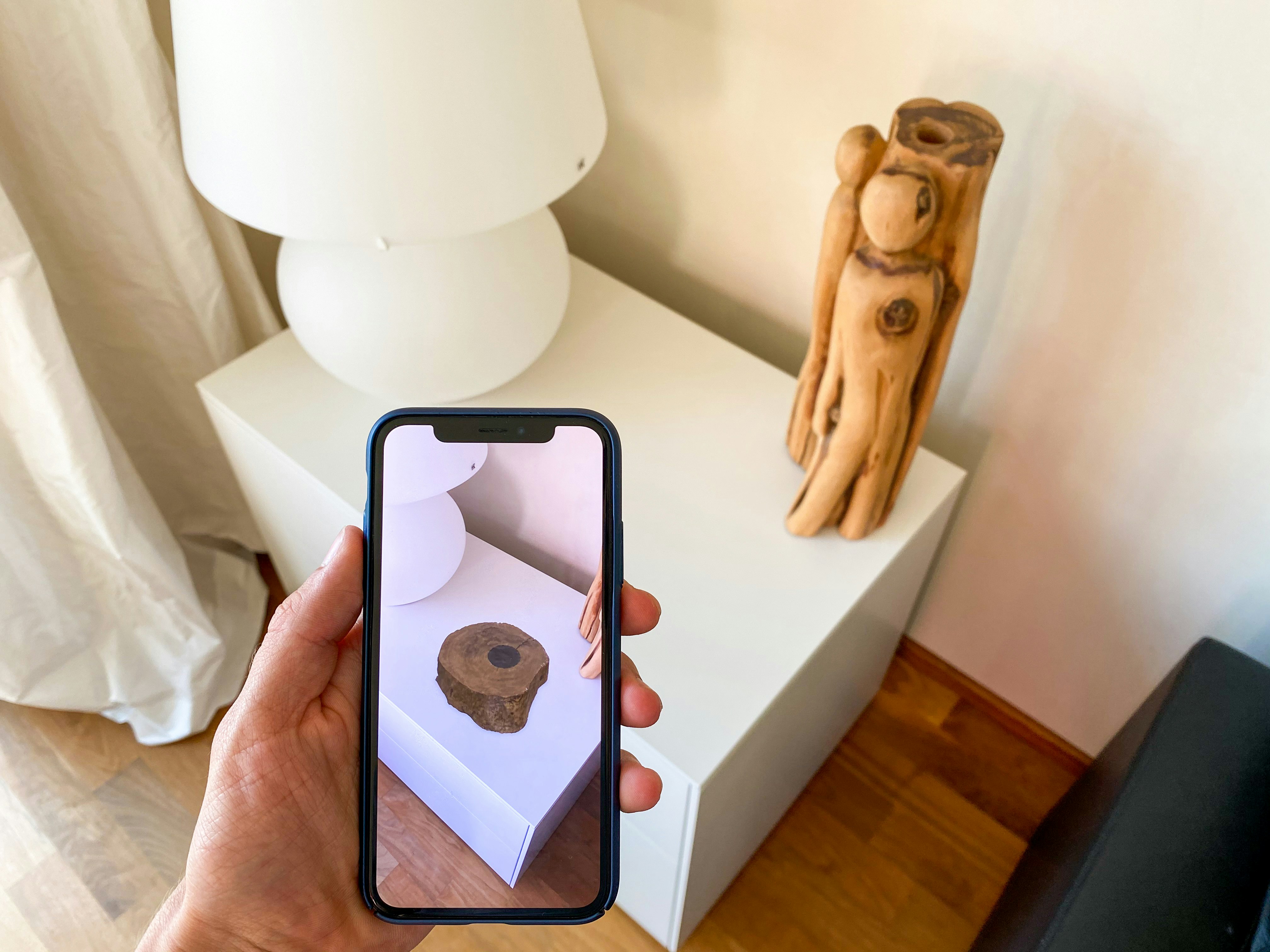
Image by UNIBOA
Augmented Reality (AR) represents a transformative shift in how we interact with the digital world, overlaying digital information onto our physical environment. This integration of virtual elements into the real world opens up vast opportunities for innovation across various fields, from entertainment and education to healthcare and productivity. However, designing for AR also presents unique challenges that require a rethinking of traditional design principles.
Understanding the Challenges
Seamless Integration
One of the primary challenges in AR design is ensuring that digital elements blend seamlessly with the real world. This requires precise tracking and alignment technologies to ensure that virtual objects stay anchored in the correct real-world locations, even as the user moves around.
User Experience
AR demands a new approach to user interface (UI) and user experience (UX) design. Traditional 2D interfaces do not translate directly into a 3D space, requiring designers to create intuitive interactions that are easy to navigate and understand in an augmented environment.
Device Limitations
Current hardware limitations, such as battery life, processing power, and the field of view, pose significant challenges. Designers must work within these constraints to create compelling AR experiences that do not quickly drain battery life or overburden the device's capabilities.
Privacy and Security
AR devices, equipped with cameras and sensors, constantly capture data from the user’s environment. Ensuring that this data is handled securely and respects user privacy is crucial.
Contextual Awareness
AR applications must be contextually aware, understanding the environment to provide relevant information and interactions. This requires sophisticated algorithms and sensors to interpret the surroundings accurately.
Envisioning the Opportunities
Enhanced Learning and Training
AR can revolutionize education and training by providing immersive, interactive learning experiences. For example, medical students can practice surgeries in a risk-free virtual environment, while engineers can visualize complex machinery in 3D.
Improved Productivity Tools
AR can enhance productivity by providing tools that allow for multitasking and hands-free operation. For instance, technicians can view assembly instructions overlaid on machinery, and architects can visualize building designs in their intended locations.
Revolutionizing Retail
AR offers new possibilities for retail, such as virtual try-ons for clothing and accessories, or visualizing how furniture will look in a home before making a purchase. This can significantly enhance the shopping experience and reduce return rates.
Gaming and Entertainment
AR creates entirely new dimensions for gaming and entertainment, allowing for interactive and immersive experiences that blend the digital and physical worlds. Games can be played in real-world settings, and live events can incorporate AR elements to engage audiences in novel ways.
Enhanced Navigation and Exploration
AR can transform how we navigate and explore the world. For example, AR navigation apps can provide real-time directions overlaid on the environment, and tourism apps can offer historical information and interactive guides at landmarks.
Key Design Principles for AR
Intuitive Interactions
Designing intuitive interactions in AR requires leveraging natural gestures and movements. User interfaces should be easily accessible and require minimal learning curve.
Context Sensitivity
AR experiences should be contextually aware, adapting to the user’s environment and providing relevant information and interactions based on the current context.
Minimal Intrusiveness
AR elements should enhance the real-world experience without overwhelming it. Designers should aim for a balance where digital information supports rather than distracts from the physical environment.
Real-Time Responsiveness
To maintain immersion, AR applications must respond in real-time to user inputs and environmental changes. Lag or delays can break the illusion and diminish the user experience.
Scalability and Adaptability
AR designs should be scalable and adaptable to various devices and environments. This ensures a consistent experience across different platforms and contexts.
Conclusion
Designing for augmented reality is a complex yet exciting challenge that requires a rethinking of traditional design paradigms. By addressing the unique challenges and leveraging the vast opportunities AR presents, we can create innovative, immersive experiences that enhance the way we interact with the digital world. As AR technology continues to evolve, it will undoubtedly shape the future of product design, opening up new frontiers in creativity and functionality.
Augmented Reality (AR) represents a transformative shift in how we interact with the digital world, overlaying digital information onto our physical environment. This integration of virtual elements into the real world opens up vast opportunities for innovation across various fields, from entertainment and education to healthcare and productivity. However, designing for AR also presents unique challenges that require a rethinking of traditional design principles.
Understanding the Challenges
Seamless Integration
One of the primary challenges in AR design is ensuring that digital elements blend seamlessly with the real world. This requires precise tracking and alignment technologies to ensure that virtual objects stay anchored in the correct real-world locations, even as the user moves around.
User Experience
AR demands a new approach to user interface (UI) and user experience (UX) design. Traditional 2D interfaces do not translate directly into a 3D space, requiring designers to create intuitive interactions that are easy to navigate and understand in an augmented environment.
Device Limitations
Current hardware limitations, such as battery life, processing power, and the field of view, pose significant challenges. Designers must work within these constraints to create compelling AR experiences that do not quickly drain battery life or overburden the device's capabilities.
Privacy and Security
AR devices, equipped with cameras and sensors, constantly capture data from the user’s environment. Ensuring that this data is handled securely and respects user privacy is crucial.
Contextual Awareness
AR applications must be contextually aware, understanding the environment to provide relevant information and interactions. This requires sophisticated algorithms and sensors to interpret the surroundings accurately.
Envisioning the Opportunities
Enhanced Learning and Training
AR can revolutionize education and training by providing immersive, interactive learning experiences. For example, medical students can practice surgeries in a risk-free virtual environment, while engineers can visualize complex machinery in 3D.
Improved Productivity Tools
AR can enhance productivity by providing tools that allow for multitasking and hands-free operation. For instance, technicians can view assembly instructions overlaid on machinery, and architects can visualize building designs in their intended locations.
Revolutionizing Retail
AR offers new possibilities for retail, such as virtual try-ons for clothing and accessories, or visualizing how furniture will look in a home before making a purchase. This can significantly enhance the shopping experience and reduce return rates.
Gaming and Entertainment
AR creates entirely new dimensions for gaming and entertainment, allowing for interactive and immersive experiences that blend the digital and physical worlds. Games can be played in real-world settings, and live events can incorporate AR elements to engage audiences in novel ways.
Enhanced Navigation and Exploration
AR can transform how we navigate and explore the world. For example, AR navigation apps can provide real-time directions overlaid on the environment, and tourism apps can offer historical information and interactive guides at landmarks.
Key Design Principles for AR
Intuitive Interactions
Designing intuitive interactions in AR requires leveraging natural gestures and movements. User interfaces should be easily accessible and require minimal learning curve.
Context Sensitivity
AR experiences should be contextually aware, adapting to the user’s environment and providing relevant information and interactions based on the current context.
Minimal Intrusiveness
AR elements should enhance the real-world experience without overwhelming it. Designers should aim for a balance where digital information supports rather than distracts from the physical environment.
Real-Time Responsiveness
To maintain immersion, AR applications must respond in real-time to user inputs and environmental changes. Lag or delays can break the illusion and diminish the user experience.
Scalability and Adaptability
AR designs should be scalable and adaptable to various devices and environments. This ensures a consistent experience across different platforms and contexts.
Conclusion
Designing for augmented reality is a complex yet exciting challenge that requires a rethinking of traditional design paradigms. By addressing the unique challenges and leveraging the vast opportunities AR presents, we can create innovative, immersive experiences that enhance the way we interact with the digital world. As AR technology continues to evolve, it will undoubtedly shape the future of product design, opening up new frontiers in creativity and functionality.
Augmented Reality (AR) represents a transformative shift in how we interact with the digital world, overlaying digital information onto our physical environment. This integration of virtual elements into the real world opens up vast opportunities for innovation across various fields, from entertainment and education to healthcare and productivity. However, designing for AR also presents unique challenges that require a rethinking of traditional design principles.
Understanding the Challenges
Seamless Integration
One of the primary challenges in AR design is ensuring that digital elements blend seamlessly with the real world. This requires precise tracking and alignment technologies to ensure that virtual objects stay anchored in the correct real-world locations, even as the user moves around.
User Experience
AR demands a new approach to user interface (UI) and user experience (UX) design. Traditional 2D interfaces do not translate directly into a 3D space, requiring designers to create intuitive interactions that are easy to navigate and understand in an augmented environment.
Device Limitations
Current hardware limitations, such as battery life, processing power, and the field of view, pose significant challenges. Designers must work within these constraints to create compelling AR experiences that do not quickly drain battery life or overburden the device's capabilities.
Privacy and Security
AR devices, equipped with cameras and sensors, constantly capture data from the user’s environment. Ensuring that this data is handled securely and respects user privacy is crucial.
Contextual Awareness
AR applications must be contextually aware, understanding the environment to provide relevant information and interactions. This requires sophisticated algorithms and sensors to interpret the surroundings accurately.
Envisioning the Opportunities
Enhanced Learning and Training
AR can revolutionize education and training by providing immersive, interactive learning experiences. For example, medical students can practice surgeries in a risk-free virtual environment, while engineers can visualize complex machinery in 3D.
Improved Productivity Tools
AR can enhance productivity by providing tools that allow for multitasking and hands-free operation. For instance, technicians can view assembly instructions overlaid on machinery, and architects can visualize building designs in their intended locations.
Revolutionizing Retail
AR offers new possibilities for retail, such as virtual try-ons for clothing and accessories, or visualizing how furniture will look in a home before making a purchase. This can significantly enhance the shopping experience and reduce return rates.
Gaming and Entertainment
AR creates entirely new dimensions for gaming and entertainment, allowing for interactive and immersive experiences that blend the digital and physical worlds. Games can be played in real-world settings, and live events can incorporate AR elements to engage audiences in novel ways.
Enhanced Navigation and Exploration
AR can transform how we navigate and explore the world. For example, AR navigation apps can provide real-time directions overlaid on the environment, and tourism apps can offer historical information and interactive guides at landmarks.
Key Design Principles for AR
Intuitive Interactions
Designing intuitive interactions in AR requires leveraging natural gestures and movements. User interfaces should be easily accessible and require minimal learning curve.
Context Sensitivity
AR experiences should be contextually aware, adapting to the user’s environment and providing relevant information and interactions based on the current context.
Minimal Intrusiveness
AR elements should enhance the real-world experience without overwhelming it. Designers should aim for a balance where digital information supports rather than distracts from the physical environment.
Real-Time Responsiveness
To maintain immersion, AR applications must respond in real-time to user inputs and environmental changes. Lag or delays can break the illusion and diminish the user experience.
Scalability and Adaptability
AR designs should be scalable and adaptable to various devices and environments. This ensures a consistent experience across different platforms and contexts.
Conclusion
Designing for augmented reality is a complex yet exciting challenge that requires a rethinking of traditional design paradigms. By addressing the unique challenges and leveraging the vast opportunities AR presents, we can create innovative, immersive experiences that enhance the way we interact with the digital world. As AR technology continues to evolve, it will undoubtedly shape the future of product design, opening up new frontiers in creativity and functionality.