Best practices for designing medical records in health services
Best practices for designing medical records in health services
24 Jun 2024
24 Jun 2024
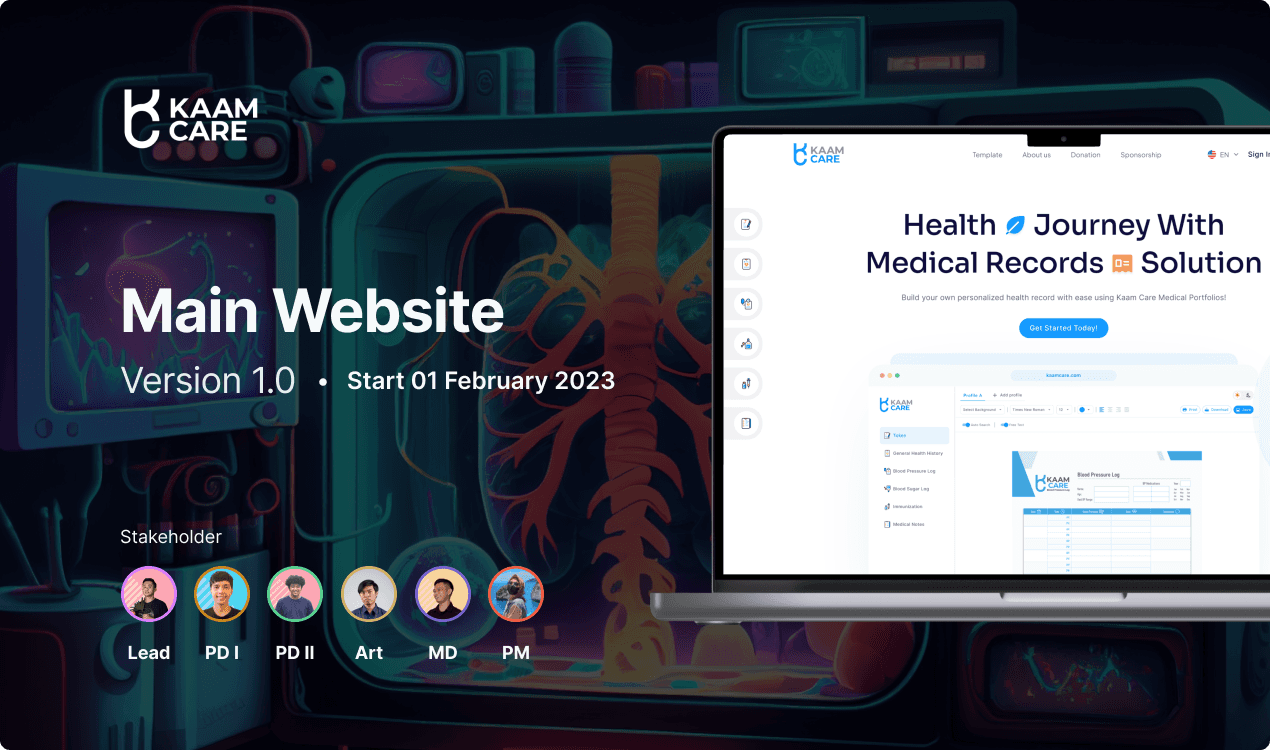
Designing medical records for health services requires a careful balance of functionality, usability, and regulatory compliance. Effective medical records not only enhance patient care but also improve the efficiency of healthcare providers. At OWW Studio, we’ve developed a set of best practices to guide the design of intuitive and effective medical records. This blog post outlines these best practices, focusing on user-centered design, data security, and regulatory adherence.
Understanding the Users and Context
To design effective medical records, it’s essential to understand the needs and workflows of the users—healthcare providers and patients. This involves:
User Research: Conducting analyst and shadowing healthcare providers to understand their daily routines, challenges, and needs. Engaging with patients to gather insights on their experiences and expectations regarding medical records.
Personas and Scenarios: Developing detailed personas and scenarios to represent the different types of users and their interactions with medical records. This helps in creating designs that cater to a wide range of user needs and contexts.
Prioritizing Usability and Accessibility
Medical records should be easy to navigate and understand, regardless of the user’s technical proficiency. Key considerations include:
Simplified Interface: Designing a clean and intuitive interface with a logical hierarchy of information. Avoiding clutter and ensuring that the most critical information is easily accessible.
Consistent Layouts: Using consistent layouts and design elements across the records to reduce the learning curve and enhance user familiarity.
Accessibility Standards: Adhering to accessibility standards such as WCAG (Web Content Accessibility Guidelines) to ensure that medical records are usable by people with disabilities. This includes using readable fonts, sufficient contrast, and support for screen readers.
Ensuring Data Security and Privacy
Medical records contain sensitive personal information, making data security and privacy paramount. Best practices include:
Encryption: Implementing robust encryption methods for data storage and transmission to protect against unauthorized access and breaches.
Access Controls: Setting up strict access controls to ensure that only authorized personnel can view or edit medical records. This includes role-based access and multi-factor authentication.
Audit Trails: Keeping detailed audit trails of all access and changes to medical records. This helps in monitoring and detecting any suspicious activities or unauthorized access.
Complying with Regulatory Standards
Healthcare is a highly regulated field, and medical records must comply with various legal and regulatory standards. Key regulations include:
HIPAA Compliance: In the United States, medical records must comply with the Health Insurance Portability and Accountability Act (HIPAA), which sets standards for protecting patient information.
GDPR Compliance: In Europe, the General Data Protection Regulation (GDPR) governs the handling of personal data, including medical records. Ensuring compliance with GDPR requirements is crucial for any healthcare service operating in or serving European patients.
Local Regulations: Additionally, understanding and adhering to any local regulations specific to the region where the healthcare service operates is essential.
Enhancing Interoperability
Interoperability allows different healthcare systems to communicate and share information seamlessly. Best practices for enhancing interoperability include:
Standardized Formats: Using standardized data formats such as HL7 (Health Level 7) and FHIR (Fast Healthcare Interoperability Resources) to ensure compatibility with other healthcare systems.
APIs and Integrations: Developing robust APIs (Application Programming Interfaces) and integrations to facilitate data exchange between different systems, such as electronic health records (EHR) and laboratory information systems (LIS).
Streamlining Workflow and Documentation
Efficient workflow and documentation processes are crucial for healthcare providers. Best practices include:
Automated Data Entry: Implementing features like auto-fill, templates, and voice-to-text to reduce manual data entry and minimize errors.
Decision Support: Integrating decision support tools that provide healthcare providers with relevant information and alerts based on the patient’s medical records, aiding in diagnosis and treatment planning.
Real-Time Updates: Ensuring that medical records are updated in real-time to provide healthcare providers with the most current and accurate information.
Incorporating Patient Engagement
Involving patients in their own healthcare can improve outcomes and satisfaction. Best practices include:
Patient Portals: Creating patient portals where patients can access their medical records, view test results, schedule appointments, and communicate with healthcare providers.
Educational Resources: Including educational resources within the medical records that help patients understand their conditions and treatments.
Feedback Mechanisms: Providing easy ways for patients to give feedback on their care and the usability of the medical records system.
Conclusion
Designing medical records for health services involves a comprehensive approach that prioritizes usability, security, regulatory compliance, and patient engagement. By understanding the needs of healthcare providers and patients, ensuring data security and privacy, complying with regulatory standards, enhancing interoperability, streamlining workflows, and incorporating patient engagement, we can create medical records that significantly improve healthcare delivery.
At OWW Studio, we are committed to following these best practices to design medical records that not only meet the highest standards of functionality and security but also enhance the overall experience for healthcare providers and patients alike. For design teams embarking on similar projects, investing time in thorough research, maintaining clear communication with stakeholders, and continually iterating based on feedback are essential steps towards creating effective and user-friendly medical records.
Designing medical records for health services requires a careful balance of functionality, usability, and regulatory compliance. Effective medical records not only enhance patient care but also improve the efficiency of healthcare providers. At OWW Studio, we’ve developed a set of best practices to guide the design of intuitive and effective medical records. This blog post outlines these best practices, focusing on user-centered design, data security, and regulatory adherence.
Understanding the Users and Context
To design effective medical records, it’s essential to understand the needs and workflows of the users—healthcare providers and patients. This involves:
User Research: Conducting analyst and shadowing healthcare providers to understand their daily routines, challenges, and needs. Engaging with patients to gather insights on their experiences and expectations regarding medical records.
Personas and Scenarios: Developing detailed personas and scenarios to represent the different types of users and their interactions with medical records. This helps in creating designs that cater to a wide range of user needs and contexts.
Prioritizing Usability and Accessibility
Medical records should be easy to navigate and understand, regardless of the user’s technical proficiency. Key considerations include:
Simplified Interface: Designing a clean and intuitive interface with a logical hierarchy of information. Avoiding clutter and ensuring that the most critical information is easily accessible.
Consistent Layouts: Using consistent layouts and design elements across the records to reduce the learning curve and enhance user familiarity.
Accessibility Standards: Adhering to accessibility standards such as WCAG (Web Content Accessibility Guidelines) to ensure that medical records are usable by people with disabilities. This includes using readable fonts, sufficient contrast, and support for screen readers.
Ensuring Data Security and Privacy
Medical records contain sensitive personal information, making data security and privacy paramount. Best practices include:
Encryption: Implementing robust encryption methods for data storage and transmission to protect against unauthorized access and breaches.
Access Controls: Setting up strict access controls to ensure that only authorized personnel can view or edit medical records. This includes role-based access and multi-factor authentication.
Audit Trails: Keeping detailed audit trails of all access and changes to medical records. This helps in monitoring and detecting any suspicious activities or unauthorized access.
Complying with Regulatory Standards
Healthcare is a highly regulated field, and medical records must comply with various legal and regulatory standards. Key regulations include:
HIPAA Compliance: In the United States, medical records must comply with the Health Insurance Portability and Accountability Act (HIPAA), which sets standards for protecting patient information.
GDPR Compliance: In Europe, the General Data Protection Regulation (GDPR) governs the handling of personal data, including medical records. Ensuring compliance with GDPR requirements is crucial for any healthcare service operating in or serving European patients.
Local Regulations: Additionally, understanding and adhering to any local regulations specific to the region where the healthcare service operates is essential.
Enhancing Interoperability
Interoperability allows different healthcare systems to communicate and share information seamlessly. Best practices for enhancing interoperability include:
Standardized Formats: Using standardized data formats such as HL7 (Health Level 7) and FHIR (Fast Healthcare Interoperability Resources) to ensure compatibility with other healthcare systems.
APIs and Integrations: Developing robust APIs (Application Programming Interfaces) and integrations to facilitate data exchange between different systems, such as electronic health records (EHR) and laboratory information systems (LIS).
Streamlining Workflow and Documentation
Efficient workflow and documentation processes are crucial for healthcare providers. Best practices include:
Automated Data Entry: Implementing features like auto-fill, templates, and voice-to-text to reduce manual data entry and minimize errors.
Decision Support: Integrating decision support tools that provide healthcare providers with relevant information and alerts based on the patient’s medical records, aiding in diagnosis and treatment planning.
Real-Time Updates: Ensuring that medical records are updated in real-time to provide healthcare providers with the most current and accurate information.
Incorporating Patient Engagement
Involving patients in their own healthcare can improve outcomes and satisfaction. Best practices include:
Patient Portals: Creating patient portals where patients can access their medical records, view test results, schedule appointments, and communicate with healthcare providers.
Educational Resources: Including educational resources within the medical records that help patients understand their conditions and treatments.
Feedback Mechanisms: Providing easy ways for patients to give feedback on their care and the usability of the medical records system.
Conclusion
Designing medical records for health services involves a comprehensive approach that prioritizes usability, security, regulatory compliance, and patient engagement. By understanding the needs of healthcare providers and patients, ensuring data security and privacy, complying with regulatory standards, enhancing interoperability, streamlining workflows, and incorporating patient engagement, we can create medical records that significantly improve healthcare delivery.
At OWW Studio, we are committed to following these best practices to design medical records that not only meet the highest standards of functionality and security but also enhance the overall experience for healthcare providers and patients alike. For design teams embarking on similar projects, investing time in thorough research, maintaining clear communication with stakeholders, and continually iterating based on feedback are essential steps towards creating effective and user-friendly medical records.
Designing medical records for health services requires a careful balance of functionality, usability, and regulatory compliance. Effective medical records not only enhance patient care but also improve the efficiency of healthcare providers. At OWW Studio, we’ve developed a set of best practices to guide the design of intuitive and effective medical records. This blog post outlines these best practices, focusing on user-centered design, data security, and regulatory adherence.
Understanding the Users and Context
To design effective medical records, it’s essential to understand the needs and workflows of the users—healthcare providers and patients. This involves:
User Research: Conducting analyst and shadowing healthcare providers to understand their daily routines, challenges, and needs. Engaging with patients to gather insights on their experiences and expectations regarding medical records.
Personas and Scenarios: Developing detailed personas and scenarios to represent the different types of users and their interactions with medical records. This helps in creating designs that cater to a wide range of user needs and contexts.
Prioritizing Usability and Accessibility
Medical records should be easy to navigate and understand, regardless of the user’s technical proficiency. Key considerations include:
Simplified Interface: Designing a clean and intuitive interface with a logical hierarchy of information. Avoiding clutter and ensuring that the most critical information is easily accessible.
Consistent Layouts: Using consistent layouts and design elements across the records to reduce the learning curve and enhance user familiarity.
Accessibility Standards: Adhering to accessibility standards such as WCAG (Web Content Accessibility Guidelines) to ensure that medical records are usable by people with disabilities. This includes using readable fonts, sufficient contrast, and support for screen readers.
Ensuring Data Security and Privacy
Medical records contain sensitive personal information, making data security and privacy paramount. Best practices include:
Encryption: Implementing robust encryption methods for data storage and transmission to protect against unauthorized access and breaches.
Access Controls: Setting up strict access controls to ensure that only authorized personnel can view or edit medical records. This includes role-based access and multi-factor authentication.
Audit Trails: Keeping detailed audit trails of all access and changes to medical records. This helps in monitoring and detecting any suspicious activities or unauthorized access.
Complying with Regulatory Standards
Healthcare is a highly regulated field, and medical records must comply with various legal and regulatory standards. Key regulations include:
HIPAA Compliance: In the United States, medical records must comply with the Health Insurance Portability and Accountability Act (HIPAA), which sets standards for protecting patient information.
GDPR Compliance: In Europe, the General Data Protection Regulation (GDPR) governs the handling of personal data, including medical records. Ensuring compliance with GDPR requirements is crucial for any healthcare service operating in or serving European patients.
Local Regulations: Additionally, understanding and adhering to any local regulations specific to the region where the healthcare service operates is essential.
Enhancing Interoperability
Interoperability allows different healthcare systems to communicate and share information seamlessly. Best practices for enhancing interoperability include:
Standardized Formats: Using standardized data formats such as HL7 (Health Level 7) and FHIR (Fast Healthcare Interoperability Resources) to ensure compatibility with other healthcare systems.
APIs and Integrations: Developing robust APIs (Application Programming Interfaces) and integrations to facilitate data exchange between different systems, such as electronic health records (EHR) and laboratory information systems (LIS).
Streamlining Workflow and Documentation
Efficient workflow and documentation processes are crucial for healthcare providers. Best practices include:
Automated Data Entry: Implementing features like auto-fill, templates, and voice-to-text to reduce manual data entry and minimize errors.
Decision Support: Integrating decision support tools that provide healthcare providers with relevant information and alerts based on the patient’s medical records, aiding in diagnosis and treatment planning.
Real-Time Updates: Ensuring that medical records are updated in real-time to provide healthcare providers with the most current and accurate information.
Incorporating Patient Engagement
Involving patients in their own healthcare can improve outcomes and satisfaction. Best practices include:
Patient Portals: Creating patient portals where patients can access their medical records, view test results, schedule appointments, and communicate with healthcare providers.
Educational Resources: Including educational resources within the medical records that help patients understand their conditions and treatments.
Feedback Mechanisms: Providing easy ways for patients to give feedback on their care and the usability of the medical records system.
Conclusion
Designing medical records for health services involves a comprehensive approach that prioritizes usability, security, regulatory compliance, and patient engagement. By understanding the needs of healthcare providers and patients, ensuring data security and privacy, complying with regulatory standards, enhancing interoperability, streamlining workflows, and incorporating patient engagement, we can create medical records that significantly improve healthcare delivery.
At OWW Studio, we are committed to following these best practices to design medical records that not only meet the highest standards of functionality and security but also enhance the overall experience for healthcare providers and patients alike. For design teams embarking on similar projects, investing time in thorough research, maintaining clear communication with stakeholders, and continually iterating based on feedback are essential steps towards creating effective and user-friendly medical records.
Siap untuk memimpin masa depan?
©2024, rajeshsiburian
Siap untuk memimpin masa depan?
©2024, rajeshsiburian
Siap untuk memimpin masa depan?
©2024, rajeshsiburian