Designing innovations in medical and fitness tech
Designing innovations in medical and fitness tech
28 Mar 2024
28 Mar 2024
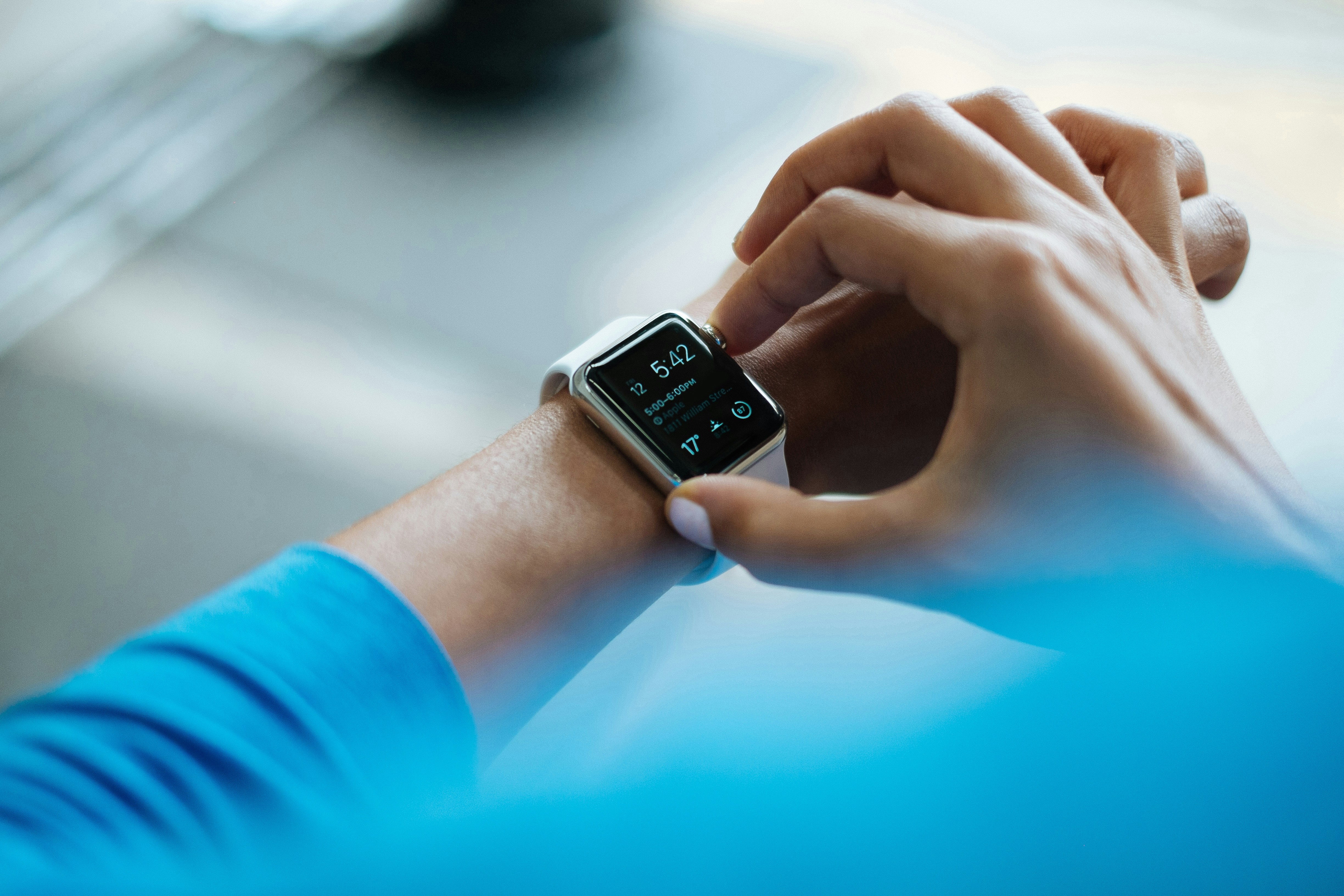
Image by Luke Chesser
The convergence of design, technology, and healthcare is transforming how we monitor, manage, and improve our health and well-being. Innovations in medical and fitness technology are empowering individuals with more control over their health, providing real-time insights, and fostering healthier lifestyles. Design plays a crucial role in making these technologies intuitive, accessible, and effective.
Key Innovations
Smart Watches and Wearables
Devices like smartwatches and fitness bands have become essential tools for health monitoring. They track various health metrics such as heart rate, sleep patterns, physical activity, and even blood oxygen levels. These devices have advanced sensors and algorithms that provide valuable health insights and alerts for irregularities.
Telehealth Platforms
The rise of telehealth has revolutionized access to healthcare. Well-designed telehealth apps facilitate remote consultations, diagnostics, and treatment plans, ensuring patients receive timely care without the need for physical visits.
Portable Diagnostic Devices
Innovations such as portable ECG monitors, glucometers, and blood pressure monitors allow users to track their health metrics at home. These devices are designed for ease of use, providing accurate readings and connecting seamlessly with mobile apps for data tracking and sharing with healthcare providers.
Health Apps
A myriad of health and fitness apps offer personalized workout plans, diet tracking, mental health support, and chronic disease management. These apps leverage user data to provide tailored recommendations and reminders, enhancing user engagement and adherence to health goals.
Smart Home Health Devices
Smart home technology is extending into healthcare with devices like connected thermometers, air purifiers, and medication dispensers. These devices integrate with health apps to provide a holistic view of the user's health and environment.
Wearable Medical Devices
Beyond consumer wearables, medical-grade devices like continuous glucose monitors (CGMs) and wearable insulin pumps are making chronic disease management more manageable. These devices provide real-time data and automated treatment adjustments.
Design Principles Driving Innovation
User-Centric Design
The success of health tech products hinges on their ease of use. User-centric design focuses on intuitive interfaces, clear instructions, and accessibility, ensuring that users of all ages and tech-savviness can effectively use the devices.
Seamless Integration
Health tech devices and apps need to integrate seamlessly with each other to provide a comprehensive health monitoring ecosystem. This includes compatibility with other devices, interoperability standards, and unified health data platforms.
Data Privacy and Security
Given the sensitive nature of health data, ensuring robust privacy and security measures is paramount. Designs must comply with regulatory standards like HIPAA and GDPR, incorporating encryption, secure data storage, and user consent mechanisms.
Real-Time Feedback
Providing real-time feedback and actionable insights is crucial for motivating users and enabling timely interventions. Whether it’s a nudge to move more or an alert about a potential health issue, instant feedback enhances user engagement and health outcomes.
Personalization
Health and fitness are highly individual. Design innovations focus on personalization, tailoring recommendations, and interventions based on user-specific data and preferences to maximize effectiveness and user satisfaction.
Aesthetic and Comfort
For wearable devices, comfort and aesthetics are significant factors. Devices need to be comfortable for prolonged wear and visually appealing to encourage consistent use. Materials, form factors, and design aesthetics are carefully considered to enhance user acceptance.
Case Studies of Design-Driven Health Innovations
Apple Watch
The Apple Watch has set a benchmark in health tech with features like ECG monitoring, fall detection, and blood oxygen measurement. Its sleek design, user-friendly interface, and integration with the Health app make it a powerful tool for health monitoring and management.
Fitbit
Fitbit’s range of fitness trackers and smartwatches offer comprehensive health tracking, including heart rate, sleep, and activity levels. The devices are designed for comfort and style, encouraging daily use and long-term health engagement.
Oura Ring
The Oura Ring is a compact, stylish wearable that tracks sleep, readiness, and activity levels. Its unobtrusive design and detailed health insights make it a popular choice for users focused on optimizing their health.
AliveCor KardiaMobile
This portable ECG device allows users to take medical-grade heart readings on the go. Its compact design and easy-to-use app interface make it accessible for monitoring heart health and sharing data with healthcare providers.
The Future of Health Tech Design
The future of health tech design will continue to evolve, driven by advancements in technology and a deeper understanding of user needs. Key trends include:
AI and Machine Learning
AI will play a significant role in providing personalized health insights, predictive analytics, and automated interventions, enhancing the overall efficacy of health tech solutions.
Augmented Reality (AR) and Virtual Reality (VR)
AR and VR can revolutionize medical training, remote diagnostics, and patient education, providing immersive and interactive experiences.
Advanced Biometrics
Future devices will incorporate advanced biometric sensors for more comprehensive health monitoring, including mental health metrics and advanced diagnostic capabilities.
Sustainable Design
As environmental concerns grow, sustainable and eco-friendly design practices will become more important in the development of health tech products.
Conclusion
Design innovations in medical and fitness technology are profoundly impacting health and well-being. By focusing on user-centric design, seamless integration, data privacy, real-time feedback, personalization, and aesthetics, these technologies are empowering individuals to take control of their health. As technology advances, the future of health tech promises even more sophisticated, intuitive, and effective solutions that will continue to enhance our lives.
The convergence of design, technology, and healthcare is transforming how we monitor, manage, and improve our health and well-being. Innovations in medical and fitness technology are empowering individuals with more control over their health, providing real-time insights, and fostering healthier lifestyles. Design plays a crucial role in making these technologies intuitive, accessible, and effective.
Key Innovations
Smart Watches and Wearables
Devices like smartwatches and fitness bands have become essential tools for health monitoring. They track various health metrics such as heart rate, sleep patterns, physical activity, and even blood oxygen levels. These devices have advanced sensors and algorithms that provide valuable health insights and alerts for irregularities.
Telehealth Platforms
The rise of telehealth has revolutionized access to healthcare. Well-designed telehealth apps facilitate remote consultations, diagnostics, and treatment plans, ensuring patients receive timely care without the need for physical visits.
Portable Diagnostic Devices
Innovations such as portable ECG monitors, glucometers, and blood pressure monitors allow users to track their health metrics at home. These devices are designed for ease of use, providing accurate readings and connecting seamlessly with mobile apps for data tracking and sharing with healthcare providers.
Health Apps
A myriad of health and fitness apps offer personalized workout plans, diet tracking, mental health support, and chronic disease management. These apps leverage user data to provide tailored recommendations and reminders, enhancing user engagement and adherence to health goals.
Smart Home Health Devices
Smart home technology is extending into healthcare with devices like connected thermometers, air purifiers, and medication dispensers. These devices integrate with health apps to provide a holistic view of the user's health and environment.
Wearable Medical Devices
Beyond consumer wearables, medical-grade devices like continuous glucose monitors (CGMs) and wearable insulin pumps are making chronic disease management more manageable. These devices provide real-time data and automated treatment adjustments.
Design Principles Driving Innovation
User-Centric Design
The success of health tech products hinges on their ease of use. User-centric design focuses on intuitive interfaces, clear instructions, and accessibility, ensuring that users of all ages and tech-savviness can effectively use the devices.
Seamless Integration
Health tech devices and apps need to integrate seamlessly with each other to provide a comprehensive health monitoring ecosystem. This includes compatibility with other devices, interoperability standards, and unified health data platforms.
Data Privacy and Security
Given the sensitive nature of health data, ensuring robust privacy and security measures is paramount. Designs must comply with regulatory standards like HIPAA and GDPR, incorporating encryption, secure data storage, and user consent mechanisms.
Real-Time Feedback
Providing real-time feedback and actionable insights is crucial for motivating users and enabling timely interventions. Whether it’s a nudge to move more or an alert about a potential health issue, instant feedback enhances user engagement and health outcomes.
Personalization
Health and fitness are highly individual. Design innovations focus on personalization, tailoring recommendations, and interventions based on user-specific data and preferences to maximize effectiveness and user satisfaction.
Aesthetic and Comfort
For wearable devices, comfort and aesthetics are significant factors. Devices need to be comfortable for prolonged wear and visually appealing to encourage consistent use. Materials, form factors, and design aesthetics are carefully considered to enhance user acceptance.
Case Studies of Design-Driven Health Innovations
Apple Watch
The Apple Watch has set a benchmark in health tech with features like ECG monitoring, fall detection, and blood oxygen measurement. Its sleek design, user-friendly interface, and integration with the Health app make it a powerful tool for health monitoring and management.
Fitbit
Fitbit’s range of fitness trackers and smartwatches offer comprehensive health tracking, including heart rate, sleep, and activity levels. The devices are designed for comfort and style, encouraging daily use and long-term health engagement.
Oura Ring
The Oura Ring is a compact, stylish wearable that tracks sleep, readiness, and activity levels. Its unobtrusive design and detailed health insights make it a popular choice for users focused on optimizing their health.
AliveCor KardiaMobile
This portable ECG device allows users to take medical-grade heart readings on the go. Its compact design and easy-to-use app interface make it accessible for monitoring heart health and sharing data with healthcare providers.
The Future of Health Tech Design
The future of health tech design will continue to evolve, driven by advancements in technology and a deeper understanding of user needs. Key trends include:
AI and Machine Learning
AI will play a significant role in providing personalized health insights, predictive analytics, and automated interventions, enhancing the overall efficacy of health tech solutions.
Augmented Reality (AR) and Virtual Reality (VR)
AR and VR can revolutionize medical training, remote diagnostics, and patient education, providing immersive and interactive experiences.
Advanced Biometrics
Future devices will incorporate advanced biometric sensors for more comprehensive health monitoring, including mental health metrics and advanced diagnostic capabilities.
Sustainable Design
As environmental concerns grow, sustainable and eco-friendly design practices will become more important in the development of health tech products.
Conclusion
Design innovations in medical and fitness technology are profoundly impacting health and well-being. By focusing on user-centric design, seamless integration, data privacy, real-time feedback, personalization, and aesthetics, these technologies are empowering individuals to take control of their health. As technology advances, the future of health tech promises even more sophisticated, intuitive, and effective solutions that will continue to enhance our lives.
The convergence of design, technology, and healthcare is transforming how we monitor, manage, and improve our health and well-being. Innovations in medical and fitness technology are empowering individuals with more control over their health, providing real-time insights, and fostering healthier lifestyles. Design plays a crucial role in making these technologies intuitive, accessible, and effective.
Key Innovations
Smart Watches and Wearables
Devices like smartwatches and fitness bands have become essential tools for health monitoring. They track various health metrics such as heart rate, sleep patterns, physical activity, and even blood oxygen levels. These devices have advanced sensors and algorithms that provide valuable health insights and alerts for irregularities.
Telehealth Platforms
The rise of telehealth has revolutionized access to healthcare. Well-designed telehealth apps facilitate remote consultations, diagnostics, and treatment plans, ensuring patients receive timely care without the need for physical visits.
Portable Diagnostic Devices
Innovations such as portable ECG monitors, glucometers, and blood pressure monitors allow users to track their health metrics at home. These devices are designed for ease of use, providing accurate readings and connecting seamlessly with mobile apps for data tracking and sharing with healthcare providers.
Health Apps
A myriad of health and fitness apps offer personalized workout plans, diet tracking, mental health support, and chronic disease management. These apps leverage user data to provide tailored recommendations and reminders, enhancing user engagement and adherence to health goals.
Smart Home Health Devices
Smart home technology is extending into healthcare with devices like connected thermometers, air purifiers, and medication dispensers. These devices integrate with health apps to provide a holistic view of the user's health and environment.
Wearable Medical Devices
Beyond consumer wearables, medical-grade devices like continuous glucose monitors (CGMs) and wearable insulin pumps are making chronic disease management more manageable. These devices provide real-time data and automated treatment adjustments.
Design Principles Driving Innovation
User-Centric Design
The success of health tech products hinges on their ease of use. User-centric design focuses on intuitive interfaces, clear instructions, and accessibility, ensuring that users of all ages and tech-savviness can effectively use the devices.
Seamless Integration
Health tech devices and apps need to integrate seamlessly with each other to provide a comprehensive health monitoring ecosystem. This includes compatibility with other devices, interoperability standards, and unified health data platforms.
Data Privacy and Security
Given the sensitive nature of health data, ensuring robust privacy and security measures is paramount. Designs must comply with regulatory standards like HIPAA and GDPR, incorporating encryption, secure data storage, and user consent mechanisms.
Real-Time Feedback
Providing real-time feedback and actionable insights is crucial for motivating users and enabling timely interventions. Whether it’s a nudge to move more or an alert about a potential health issue, instant feedback enhances user engagement and health outcomes.
Personalization
Health and fitness are highly individual. Design innovations focus on personalization, tailoring recommendations, and interventions based on user-specific data and preferences to maximize effectiveness and user satisfaction.
Aesthetic and Comfort
For wearable devices, comfort and aesthetics are significant factors. Devices need to be comfortable for prolonged wear and visually appealing to encourage consistent use. Materials, form factors, and design aesthetics are carefully considered to enhance user acceptance.
Case Studies of Design-Driven Health Innovations
Apple Watch
The Apple Watch has set a benchmark in health tech with features like ECG monitoring, fall detection, and blood oxygen measurement. Its sleek design, user-friendly interface, and integration with the Health app make it a powerful tool for health monitoring and management.
Fitbit
Fitbit’s range of fitness trackers and smartwatches offer comprehensive health tracking, including heart rate, sleep, and activity levels. The devices are designed for comfort and style, encouraging daily use and long-term health engagement.
Oura Ring
The Oura Ring is a compact, stylish wearable that tracks sleep, readiness, and activity levels. Its unobtrusive design and detailed health insights make it a popular choice for users focused on optimizing their health.
AliveCor KardiaMobile
This portable ECG device allows users to take medical-grade heart readings on the go. Its compact design and easy-to-use app interface make it accessible for monitoring heart health and sharing data with healthcare providers.
The Future of Health Tech Design
The future of health tech design will continue to evolve, driven by advancements in technology and a deeper understanding of user needs. Key trends include:
AI and Machine Learning
AI will play a significant role in providing personalized health insights, predictive analytics, and automated interventions, enhancing the overall efficacy of health tech solutions.
Augmented Reality (AR) and Virtual Reality (VR)
AR and VR can revolutionize medical training, remote diagnostics, and patient education, providing immersive and interactive experiences.
Advanced Biometrics
Future devices will incorporate advanced biometric sensors for more comprehensive health monitoring, including mental health metrics and advanced diagnostic capabilities.
Sustainable Design
As environmental concerns grow, sustainable and eco-friendly design practices will become more important in the development of health tech products.
Conclusion
Design innovations in medical and fitness technology are profoundly impacting health and well-being. By focusing on user-centric design, seamless integration, data privacy, real-time feedback, personalization, and aesthetics, these technologies are empowering individuals to take control of their health. As technology advances, the future of health tech promises even more sophisticated, intuitive, and effective solutions that will continue to enhance our lives.
Siap untuk memimpin masa depan?
©2024, rajeshsiburian
Siap untuk memimpin masa depan?
©2024, rajeshsiburian
Siap untuk memimpin masa depan?
©2024, rajeshsiburian