Personalization in design caters to individual preferences
Personalization in design caters to individual preferences
14 Mar 2024
14 Mar 2024
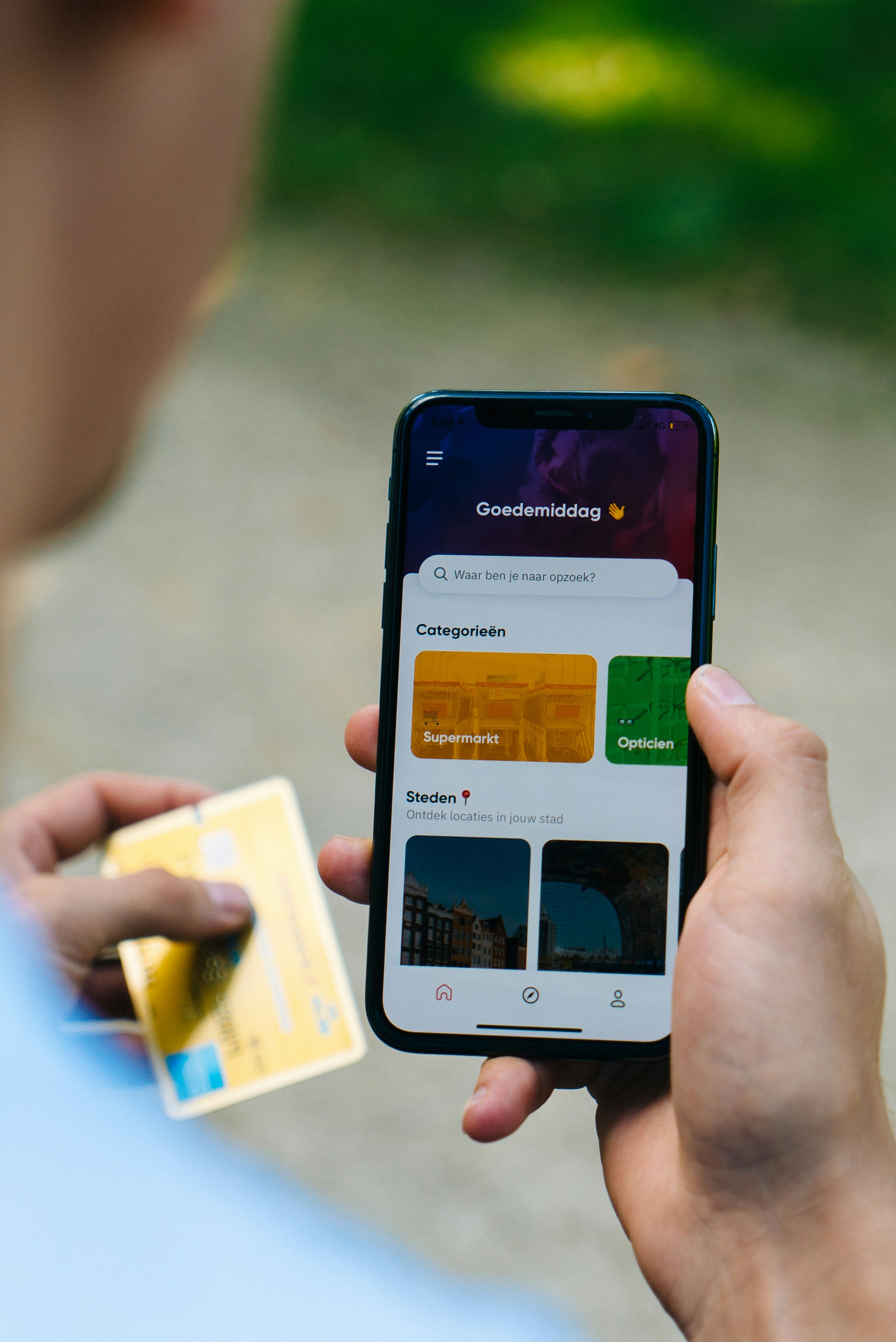
Image by CardMapr.nl
Personalization in design refers to creating products that can be tailored to individual user preferences, enhancing the user experience and fostering a deeper connection with the product. From color choices to custom configurations, personalization allows users to express their unique identity and meet their specific needs, leading to greater satisfaction and loyalty.
The Importance of Personalization
User Satisfaction
Personalized products align more closely with individual preferences and lifestyles, leading to increased user satisfaction and enjoyment.
Emotional Connection
Personalization fosters a sense of ownership and emotional connection. Users feel that the product is uniquely theirs, which enhances their attachment to the brand.
Functionality and Usability
Custom configurations can enhance the functionality and usability of a product. Users can select features that best meet their needs, making the product more effective and efficient for their specific use cases.
Competitive Advantage
Offering personalization options can differentiate a product in a competitive market, attracting users who value unique, customized experiences.
Methods of Personalization in Design
Color and Aesthetics
Allowing users to choose colors, patterns, and finishes for their products. This is common in items like smartphones, laptops, and wearables.
Offering customizable skins or cases to further personalize the look of the product.
Features and Functionality
Providing modular components that can be added or removed based on user needs, such as in modular smartphones, PCs, and furniture.
Allowing users to customize software settings, such as interface themes, shortcut keys, and notification preferences.
Custom Configurations
Enabling users to configure hardware specifications, such as choosing the amount of RAM, storage, or processor type in a computer.
Offering bespoke services, where products are tailor-made to user specifications, like custom-built bicycles or tailored clothing.
User Data and Preferences
Utilizing user data to offer personalized recommendations and experiences, such as in streaming services, e-commerce platforms, and personalized news feeds.
Implementing adaptive interfaces that change based on user behavior and preferences, enhancing usability and convenience.
Examples of Personalization in Products
Apple Watch
Users can customize their Apple Watch with different bands, faces, and case materials. This allows them to create a look that suits their personal style and needs.
Nike By You
Nike’s customization service lets users design their own sneakers by selecting colors, materials, and even adding personal text or graphics.
Tesla Vehicles
Tesla allows buyers to customize various aspects of their cars, from paint color and interior materials to software features and performance upgrades.
Windows and macOS Operating Systems
Both operating systems offer extensive personalization options, from changing desktop backgrounds and themes to customizing the start menu or dock.
Benefits of Personalization
Enhanced User Engagement
Personalized products and experiences increase user engagement as they feel more relevant and tailored to individual preferences.
Increased Loyalty
When users can personalize their products, they are more likely to develop a strong attachment to the brand, leading to higher customer loyalty and repeat business.
Higher Perceived Value
Personalized products are often perceived as more valuable and premium, allowing companies to justify higher price points.
Better User Data
Offering personalization options provides companies with valuable data on user preferences and behaviors, which can inform future product development and marketing strategies.
Challenges of Implementing Personalization
Complexity and Cost
Developing and maintaining personalized products can be complex and costly. It requires robust systems to handle customization options and ensure quality control.
Privacy Concerns
Collecting and using user data for personalization must be done ethically and transparently. Ensuring data privacy and security is crucial to maintaining user trust.
Scalability
Scaling personalized offerings to a large user base can be challenging. Companies need efficient processes and technologies to manage and deliver personalized products at scale.
Future Trends in Personalization
AI and Machine Learning
Advances in AI and machine learning will enable even more sophisticated personalization, providing users with highly customized experiences based on their behavior and preferences.
3D Printing
3D printing technology can facilitate on-demand production of personalized products, from custom-fit clothing to bespoke medical devices.
Augmented Reality (AR)
AR can enhance personalization by allowing users to visualize and customize products in real-time before making a purchase.
Personalized Marketing
Marketing strategies will increasingly focus on personalization, delivering targeted content and offers that resonate with individual users.
Conclusion
Personalization in design enhances user satisfaction, fosters emotional connections, and provides a competitive edge. By offering customizable options, from aesthetics to functionality, companies can meet diverse user needs and preferences. As technology advances, the potential for personalization will continue to grow, making it a vital aspect of modern product design and user experience. Embracing personalization not only improves the user experience but also drives engagement, loyalty, and long-term success.
Personalization in design refers to creating products that can be tailored to individual user preferences, enhancing the user experience and fostering a deeper connection with the product. From color choices to custom configurations, personalization allows users to express their unique identity and meet their specific needs, leading to greater satisfaction and loyalty.
The Importance of Personalization
User Satisfaction
Personalized products align more closely with individual preferences and lifestyles, leading to increased user satisfaction and enjoyment.
Emotional Connection
Personalization fosters a sense of ownership and emotional connection. Users feel that the product is uniquely theirs, which enhances their attachment to the brand.
Functionality and Usability
Custom configurations can enhance the functionality and usability of a product. Users can select features that best meet their needs, making the product more effective and efficient for their specific use cases.
Competitive Advantage
Offering personalization options can differentiate a product in a competitive market, attracting users who value unique, customized experiences.
Methods of Personalization in Design
Color and Aesthetics
Allowing users to choose colors, patterns, and finishes for their products. This is common in items like smartphones, laptops, and wearables.
Offering customizable skins or cases to further personalize the look of the product.
Features and Functionality
Providing modular components that can be added or removed based on user needs, such as in modular smartphones, PCs, and furniture.
Allowing users to customize software settings, such as interface themes, shortcut keys, and notification preferences.
Custom Configurations
Enabling users to configure hardware specifications, such as choosing the amount of RAM, storage, or processor type in a computer.
Offering bespoke services, where products are tailor-made to user specifications, like custom-built bicycles or tailored clothing.
User Data and Preferences
Utilizing user data to offer personalized recommendations and experiences, such as in streaming services, e-commerce platforms, and personalized news feeds.
Implementing adaptive interfaces that change based on user behavior and preferences, enhancing usability and convenience.
Examples of Personalization in Products
Apple Watch
Users can customize their Apple Watch with different bands, faces, and case materials. This allows them to create a look that suits their personal style and needs.
Nike By You
Nike’s customization service lets users design their own sneakers by selecting colors, materials, and even adding personal text or graphics.
Tesla Vehicles
Tesla allows buyers to customize various aspects of their cars, from paint color and interior materials to software features and performance upgrades.
Windows and macOS Operating Systems
Both operating systems offer extensive personalization options, from changing desktop backgrounds and themes to customizing the start menu or dock.
Benefits of Personalization
Enhanced User Engagement
Personalized products and experiences increase user engagement as they feel more relevant and tailored to individual preferences.
Increased Loyalty
When users can personalize their products, they are more likely to develop a strong attachment to the brand, leading to higher customer loyalty and repeat business.
Higher Perceived Value
Personalized products are often perceived as more valuable and premium, allowing companies to justify higher price points.
Better User Data
Offering personalization options provides companies with valuable data on user preferences and behaviors, which can inform future product development and marketing strategies.
Challenges of Implementing Personalization
Complexity and Cost
Developing and maintaining personalized products can be complex and costly. It requires robust systems to handle customization options and ensure quality control.
Privacy Concerns
Collecting and using user data for personalization must be done ethically and transparently. Ensuring data privacy and security is crucial to maintaining user trust.
Scalability
Scaling personalized offerings to a large user base can be challenging. Companies need efficient processes and technologies to manage and deliver personalized products at scale.
Future Trends in Personalization
AI and Machine Learning
Advances in AI and machine learning will enable even more sophisticated personalization, providing users with highly customized experiences based on their behavior and preferences.
3D Printing
3D printing technology can facilitate on-demand production of personalized products, from custom-fit clothing to bespoke medical devices.
Augmented Reality (AR)
AR can enhance personalization by allowing users to visualize and customize products in real-time before making a purchase.
Personalized Marketing
Marketing strategies will increasingly focus on personalization, delivering targeted content and offers that resonate with individual users.
Conclusion
Personalization in design enhances user satisfaction, fosters emotional connections, and provides a competitive edge. By offering customizable options, from aesthetics to functionality, companies can meet diverse user needs and preferences. As technology advances, the potential for personalization will continue to grow, making it a vital aspect of modern product design and user experience. Embracing personalization not only improves the user experience but also drives engagement, loyalty, and long-term success.
Personalization in design refers to creating products that can be tailored to individual user preferences, enhancing the user experience and fostering a deeper connection with the product. From color choices to custom configurations, personalization allows users to express their unique identity and meet their specific needs, leading to greater satisfaction and loyalty.
The Importance of Personalization
User Satisfaction
Personalized products align more closely with individual preferences and lifestyles, leading to increased user satisfaction and enjoyment.
Emotional Connection
Personalization fosters a sense of ownership and emotional connection. Users feel that the product is uniquely theirs, which enhances their attachment to the brand.
Functionality and Usability
Custom configurations can enhance the functionality and usability of a product. Users can select features that best meet their needs, making the product more effective and efficient for their specific use cases.
Competitive Advantage
Offering personalization options can differentiate a product in a competitive market, attracting users who value unique, customized experiences.
Methods of Personalization in Design
Color and Aesthetics
Allowing users to choose colors, patterns, and finishes for their products. This is common in items like smartphones, laptops, and wearables.
Offering customizable skins or cases to further personalize the look of the product.
Features and Functionality
Providing modular components that can be added or removed based on user needs, such as in modular smartphones, PCs, and furniture.
Allowing users to customize software settings, such as interface themes, shortcut keys, and notification preferences.
Custom Configurations
Enabling users to configure hardware specifications, such as choosing the amount of RAM, storage, or processor type in a computer.
Offering bespoke services, where products are tailor-made to user specifications, like custom-built bicycles or tailored clothing.
User Data and Preferences
Utilizing user data to offer personalized recommendations and experiences, such as in streaming services, e-commerce platforms, and personalized news feeds.
Implementing adaptive interfaces that change based on user behavior and preferences, enhancing usability and convenience.
Examples of Personalization in Products
Apple Watch
Users can customize their Apple Watch with different bands, faces, and case materials. This allows them to create a look that suits their personal style and needs.
Nike By You
Nike’s customization service lets users design their own sneakers by selecting colors, materials, and even adding personal text or graphics.
Tesla Vehicles
Tesla allows buyers to customize various aspects of their cars, from paint color and interior materials to software features and performance upgrades.
Windows and macOS Operating Systems
Both operating systems offer extensive personalization options, from changing desktop backgrounds and themes to customizing the start menu or dock.
Benefits of Personalization
Enhanced User Engagement
Personalized products and experiences increase user engagement as they feel more relevant and tailored to individual preferences.
Increased Loyalty
When users can personalize their products, they are more likely to develop a strong attachment to the brand, leading to higher customer loyalty and repeat business.
Higher Perceived Value
Personalized products are often perceived as more valuable and premium, allowing companies to justify higher price points.
Better User Data
Offering personalization options provides companies with valuable data on user preferences and behaviors, which can inform future product development and marketing strategies.
Challenges of Implementing Personalization
Complexity and Cost
Developing and maintaining personalized products can be complex and costly. It requires robust systems to handle customization options and ensure quality control.
Privacy Concerns
Collecting and using user data for personalization must be done ethically and transparently. Ensuring data privacy and security is crucial to maintaining user trust.
Scalability
Scaling personalized offerings to a large user base can be challenging. Companies need efficient processes and technologies to manage and deliver personalized products at scale.
Future Trends in Personalization
AI and Machine Learning
Advances in AI and machine learning will enable even more sophisticated personalization, providing users with highly customized experiences based on their behavior and preferences.
3D Printing
3D printing technology can facilitate on-demand production of personalized products, from custom-fit clothing to bespoke medical devices.
Augmented Reality (AR)
AR can enhance personalization by allowing users to visualize and customize products in real-time before making a purchase.
Personalized Marketing
Marketing strategies will increasingly focus on personalization, delivering targeted content and offers that resonate with individual users.
Conclusion
Personalization in design enhances user satisfaction, fosters emotional connections, and provides a competitive edge. By offering customizable options, from aesthetics to functionality, companies can meet diverse user needs and preferences. As technology advances, the potential for personalization will continue to grow, making it a vital aspect of modern product design and user experience. Embracing personalization not only improves the user experience but also drives engagement, loyalty, and long-term success.
Siap untuk memimpin masa depan?
©2024, rajeshsiburian
Siap untuk memimpin masa depan?
©2024, rajeshsiburian
Siap untuk memimpin masa depan?
©2024, rajeshsiburian