The future of foldable devices by design challenges and opportunities
The future of foldable devices by design challenges and opportunities
27 Mar 2024
27 Mar 2024
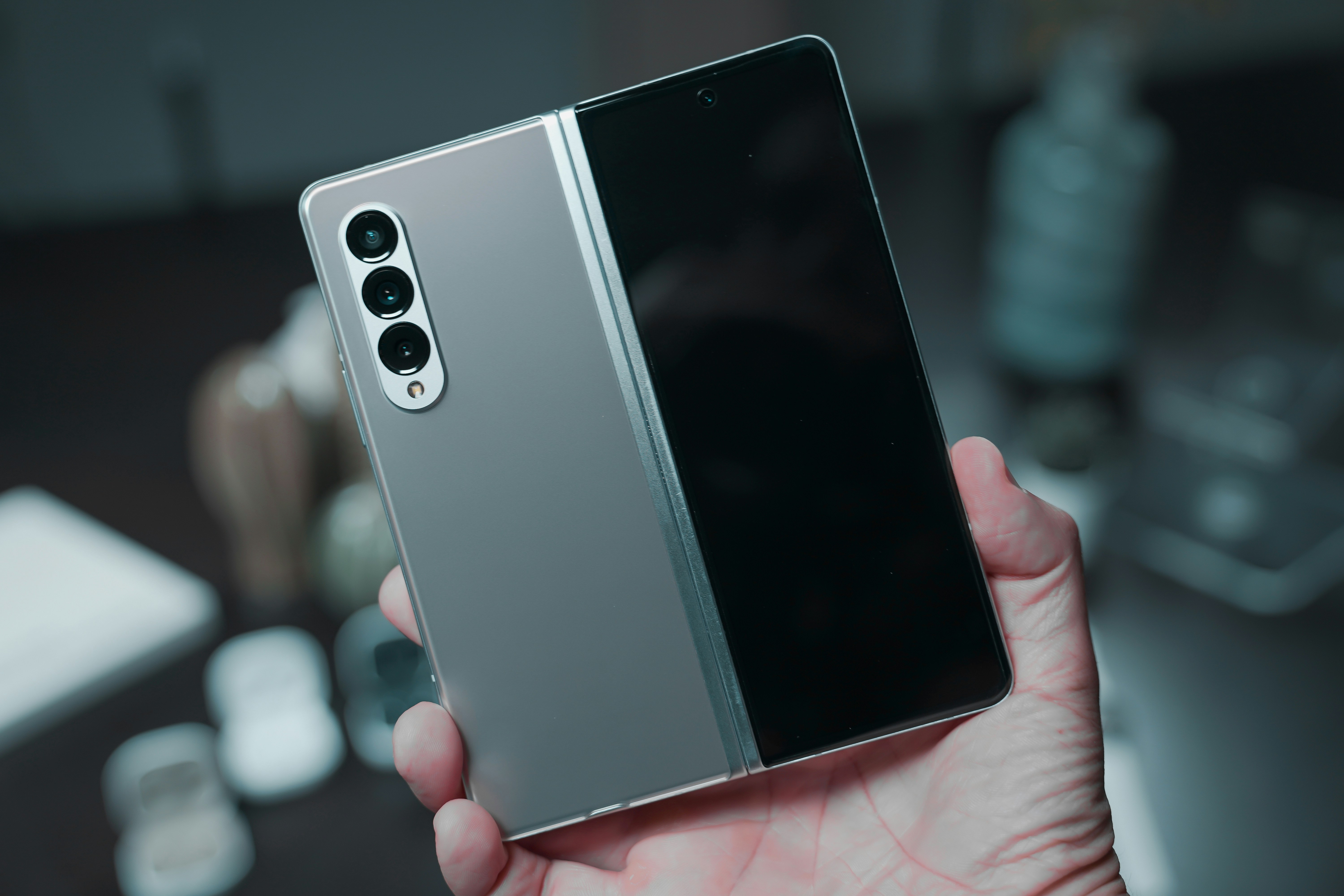
Image by Onur Binay
Foldable devices represent one of the most exciting innovations in consumer electronics, promising to merge the portability of smaller devices with the expansive screen real estate of larger ones. As the technology matures, it offers a glimpse into a future where the form factor of our devices becomes more versatile and adaptable. However, realizing this potential comes with significant design challenges and opportunities.
Opportunities
Enhanced Portability and Screen Size
Foldable devices allow users to enjoy large screens without sacrificing portability. This is particularly beneficial for activities such as watching videos, playing games, multitasking, and reading.
Innovative User Interfaces
Foldable screens offer new possibilities for user interface design. For instance, multi-window functionality can be enhanced, and applications can be optimized to take full advantage of the screen's flexibility, providing a more dynamic and responsive user experience.
Versatile Use Cases
Foldable devices can transition between different modes, such as a compact phone mode for calls and messaging, a tablet mode for browsing and media consumption, and a tent or stand mode for presentations and video calls.
Market Differentiation
For manufacturers, foldable devices present an opportunity to differentiate their product lineup in a crowded market. Offering innovative form factors can attract tech enthusiasts and early adopters, positioning the brand as a leader in cutting-edge technology.
Future-Ready
As software and content increasingly adapt to foldable form factors, early adoption can ensure compatibility and optimization for future applications and media formats designed for larger, flexible displays.
Design Challenges
Durability and Reliability
The most significant challenge for foldable devices is ensuring durability, especially in the folding mechanism and the screen itself. Repeated folding and unfolding can lead to wear and tear, and flexible screens must withstand pressure and impacts without damage.
Battery Life
Larger screens and additional components for the folding mechanism can consume more power. Designers must innovate to ensure that battery life remains adequate, balancing performance and longevity.
Weight and Thickness
Foldable devices tend to be thicker and heavier than their non-foldable counterparts due to the additional layers and components. Ensuring that these devices remain comfortable to hold and use is a crucial design consideration.
User Interface and Experience
Developing software that seamlessly adapts to different modes of the foldable device is challenging. Apps must transition smoothly between folded and unfolded states, and the user interface should be intuitive and fluid.
Manufacturing Complexity and Cost
The intricate design and manufacturing process of foldable devices can lead to higher production costs and potentially lower yields. This can make foldable devices more expensive for consumers and limit their initial market penetration.
Addressing the Challenges
Advanced Materials
Utilizing advanced materials such as flexible OLED panels, durable polymers, and innovative hinge mechanisms can enhance the durability and reliability of foldable devices. Research and development in these areas are crucial for long-term success.
Battery Optimization
Implementing energy-efficient components and optimizing software to reduce power consumption can help extend battery life. Additionally, advancements in battery technology, such as solid-state batteries, could provide more capacity in a smaller form factor.
Ergonomic Design
Careful attention to ergonomic design can mitigate the issues of weight and thickness. This includes designing slim and lightweight components and optimizing the folding mechanism to reduce bulk.
Software Innovation
Collaborating closely with software developers to create adaptive and responsive interfaces is essential. Ensuring that operating systems and applications can dynamically adjust to different screen configurations will enhance the user experience.
Cost Management
As manufacturing techniques improve and economies of scale are realized, the costs associated with foldable devices are likely to decrease. Investing in efficient production processes and scalable technologies will be key to making foldable devices more affordable.
Potential Fit into Product Lineup
Premium Segment
Initially, foldable devices may occupy the premium segment of the market, targeting tech-savvy consumers willing to pay a premium for the latest innovations. These devices can showcase a brand's technological prowess and attract early adopters.
Product Differentiation
Foldable devices can differentiate a brand's product lineup, offering unique form factors that cater to specific user needs and preferences. For instance, a foldable phone-tablet hybrid can appeal to professionals who require productivity on the go.
Complementary Devices
Foldable technology can be integrated into other devices such as laptops, wearables, and even home appliances. For example, foldable laptops can provide larger screens without compromising portability, and wearables with foldable displays can offer more interactive surfaces.
Mainstream Adoption
As the technology matures and becomes more affordable, foldable devices can transition from niche products to mainstream offerings, providing a new standard for consumer electronics.
Conclusion
Foldable devices represent a significant leap forward in design and functionality, offering numerous opportunities to enhance user experiences and differentiate products in a competitive market. However, realizing the full potential of foldable technology requires addressing substantial design challenges, particularly in durability, battery life, and user interface design. By focusing on innovative materials, efficient manufacturing processes, and adaptive software, designers and manufacturers can create foldable devices that are not only practical and reliable but also revolutionize the way we interact with technology.
Foldable devices represent one of the most exciting innovations in consumer electronics, promising to merge the portability of smaller devices with the expansive screen real estate of larger ones. As the technology matures, it offers a glimpse into a future where the form factor of our devices becomes more versatile and adaptable. However, realizing this potential comes with significant design challenges and opportunities.
Opportunities
Enhanced Portability and Screen Size
Foldable devices allow users to enjoy large screens without sacrificing portability. This is particularly beneficial for activities such as watching videos, playing games, multitasking, and reading.
Innovative User Interfaces
Foldable screens offer new possibilities for user interface design. For instance, multi-window functionality can be enhanced, and applications can be optimized to take full advantage of the screen's flexibility, providing a more dynamic and responsive user experience.
Versatile Use Cases
Foldable devices can transition between different modes, such as a compact phone mode for calls and messaging, a tablet mode for browsing and media consumption, and a tent or stand mode for presentations and video calls.
Market Differentiation
For manufacturers, foldable devices present an opportunity to differentiate their product lineup in a crowded market. Offering innovative form factors can attract tech enthusiasts and early adopters, positioning the brand as a leader in cutting-edge technology.
Future-Ready
As software and content increasingly adapt to foldable form factors, early adoption can ensure compatibility and optimization for future applications and media formats designed for larger, flexible displays.
Design Challenges
Durability and Reliability
The most significant challenge for foldable devices is ensuring durability, especially in the folding mechanism and the screen itself. Repeated folding and unfolding can lead to wear and tear, and flexible screens must withstand pressure and impacts without damage.
Battery Life
Larger screens and additional components for the folding mechanism can consume more power. Designers must innovate to ensure that battery life remains adequate, balancing performance and longevity.
Weight and Thickness
Foldable devices tend to be thicker and heavier than their non-foldable counterparts due to the additional layers and components. Ensuring that these devices remain comfortable to hold and use is a crucial design consideration.
User Interface and Experience
Developing software that seamlessly adapts to different modes of the foldable device is challenging. Apps must transition smoothly between folded and unfolded states, and the user interface should be intuitive and fluid.
Manufacturing Complexity and Cost
The intricate design and manufacturing process of foldable devices can lead to higher production costs and potentially lower yields. This can make foldable devices more expensive for consumers and limit their initial market penetration.
Addressing the Challenges
Advanced Materials
Utilizing advanced materials such as flexible OLED panels, durable polymers, and innovative hinge mechanisms can enhance the durability and reliability of foldable devices. Research and development in these areas are crucial for long-term success.
Battery Optimization
Implementing energy-efficient components and optimizing software to reduce power consumption can help extend battery life. Additionally, advancements in battery technology, such as solid-state batteries, could provide more capacity in a smaller form factor.
Ergonomic Design
Careful attention to ergonomic design can mitigate the issues of weight and thickness. This includes designing slim and lightweight components and optimizing the folding mechanism to reduce bulk.
Software Innovation
Collaborating closely with software developers to create adaptive and responsive interfaces is essential. Ensuring that operating systems and applications can dynamically adjust to different screen configurations will enhance the user experience.
Cost Management
As manufacturing techniques improve and economies of scale are realized, the costs associated with foldable devices are likely to decrease. Investing in efficient production processes and scalable technologies will be key to making foldable devices more affordable.
Potential Fit into Product Lineup
Premium Segment
Initially, foldable devices may occupy the premium segment of the market, targeting tech-savvy consumers willing to pay a premium for the latest innovations. These devices can showcase a brand's technological prowess and attract early adopters.
Product Differentiation
Foldable devices can differentiate a brand's product lineup, offering unique form factors that cater to specific user needs and preferences. For instance, a foldable phone-tablet hybrid can appeal to professionals who require productivity on the go.
Complementary Devices
Foldable technology can be integrated into other devices such as laptops, wearables, and even home appliances. For example, foldable laptops can provide larger screens without compromising portability, and wearables with foldable displays can offer more interactive surfaces.
Mainstream Adoption
As the technology matures and becomes more affordable, foldable devices can transition from niche products to mainstream offerings, providing a new standard for consumer electronics.
Conclusion
Foldable devices represent a significant leap forward in design and functionality, offering numerous opportunities to enhance user experiences and differentiate products in a competitive market. However, realizing the full potential of foldable technology requires addressing substantial design challenges, particularly in durability, battery life, and user interface design. By focusing on innovative materials, efficient manufacturing processes, and adaptive software, designers and manufacturers can create foldable devices that are not only practical and reliable but also revolutionize the way we interact with technology.
Foldable devices represent one of the most exciting innovations in consumer electronics, promising to merge the portability of smaller devices with the expansive screen real estate of larger ones. As the technology matures, it offers a glimpse into a future where the form factor of our devices becomes more versatile and adaptable. However, realizing this potential comes with significant design challenges and opportunities.
Opportunities
Enhanced Portability and Screen Size
Foldable devices allow users to enjoy large screens without sacrificing portability. This is particularly beneficial for activities such as watching videos, playing games, multitasking, and reading.
Innovative User Interfaces
Foldable screens offer new possibilities for user interface design. For instance, multi-window functionality can be enhanced, and applications can be optimized to take full advantage of the screen's flexibility, providing a more dynamic and responsive user experience.
Versatile Use Cases
Foldable devices can transition between different modes, such as a compact phone mode for calls and messaging, a tablet mode for browsing and media consumption, and a tent or stand mode for presentations and video calls.
Market Differentiation
For manufacturers, foldable devices present an opportunity to differentiate their product lineup in a crowded market. Offering innovative form factors can attract tech enthusiasts and early adopters, positioning the brand as a leader in cutting-edge technology.
Future-Ready
As software and content increasingly adapt to foldable form factors, early adoption can ensure compatibility and optimization for future applications and media formats designed for larger, flexible displays.
Design Challenges
Durability and Reliability
The most significant challenge for foldable devices is ensuring durability, especially in the folding mechanism and the screen itself. Repeated folding and unfolding can lead to wear and tear, and flexible screens must withstand pressure and impacts without damage.
Battery Life
Larger screens and additional components for the folding mechanism can consume more power. Designers must innovate to ensure that battery life remains adequate, balancing performance and longevity.
Weight and Thickness
Foldable devices tend to be thicker and heavier than their non-foldable counterparts due to the additional layers and components. Ensuring that these devices remain comfortable to hold and use is a crucial design consideration.
User Interface and Experience
Developing software that seamlessly adapts to different modes of the foldable device is challenging. Apps must transition smoothly between folded and unfolded states, and the user interface should be intuitive and fluid.
Manufacturing Complexity and Cost
The intricate design and manufacturing process of foldable devices can lead to higher production costs and potentially lower yields. This can make foldable devices more expensive for consumers and limit their initial market penetration.
Addressing the Challenges
Advanced Materials
Utilizing advanced materials such as flexible OLED panels, durable polymers, and innovative hinge mechanisms can enhance the durability and reliability of foldable devices. Research and development in these areas are crucial for long-term success.
Battery Optimization
Implementing energy-efficient components and optimizing software to reduce power consumption can help extend battery life. Additionally, advancements in battery technology, such as solid-state batteries, could provide more capacity in a smaller form factor.
Ergonomic Design
Careful attention to ergonomic design can mitigate the issues of weight and thickness. This includes designing slim and lightweight components and optimizing the folding mechanism to reduce bulk.
Software Innovation
Collaborating closely with software developers to create adaptive and responsive interfaces is essential. Ensuring that operating systems and applications can dynamically adjust to different screen configurations will enhance the user experience.
Cost Management
As manufacturing techniques improve and economies of scale are realized, the costs associated with foldable devices are likely to decrease. Investing in efficient production processes and scalable technologies will be key to making foldable devices more affordable.
Potential Fit into Product Lineup
Premium Segment
Initially, foldable devices may occupy the premium segment of the market, targeting tech-savvy consumers willing to pay a premium for the latest innovations. These devices can showcase a brand's technological prowess and attract early adopters.
Product Differentiation
Foldable devices can differentiate a brand's product lineup, offering unique form factors that cater to specific user needs and preferences. For instance, a foldable phone-tablet hybrid can appeal to professionals who require productivity on the go.
Complementary Devices
Foldable technology can be integrated into other devices such as laptops, wearables, and even home appliances. For example, foldable laptops can provide larger screens without compromising portability, and wearables with foldable displays can offer more interactive surfaces.
Mainstream Adoption
As the technology matures and becomes more affordable, foldable devices can transition from niche products to mainstream offerings, providing a new standard for consumer electronics.
Conclusion
Foldable devices represent a significant leap forward in design and functionality, offering numerous opportunities to enhance user experiences and differentiate products in a competitive market. However, realizing the full potential of foldable technology requires addressing substantial design challenges, particularly in durability, battery life, and user interface design. By focusing on innovative materials, efficient manufacturing processes, and adaptive software, designers and manufacturers can create foldable devices that are not only practical and reliable but also revolutionize the way we interact with technology.
Siap untuk memimpin masa depan?
©2024, rajeshsiburian
Siap untuk memimpin masa depan?
©2024, rajeshsiburian
Siap untuk memimpin masa depan?
©2024, rajeshsiburian