The intersection of technology and art in designing with emotion
The intersection of technology and art in designing with emotion
19 Feb 2024
19 Feb 2024
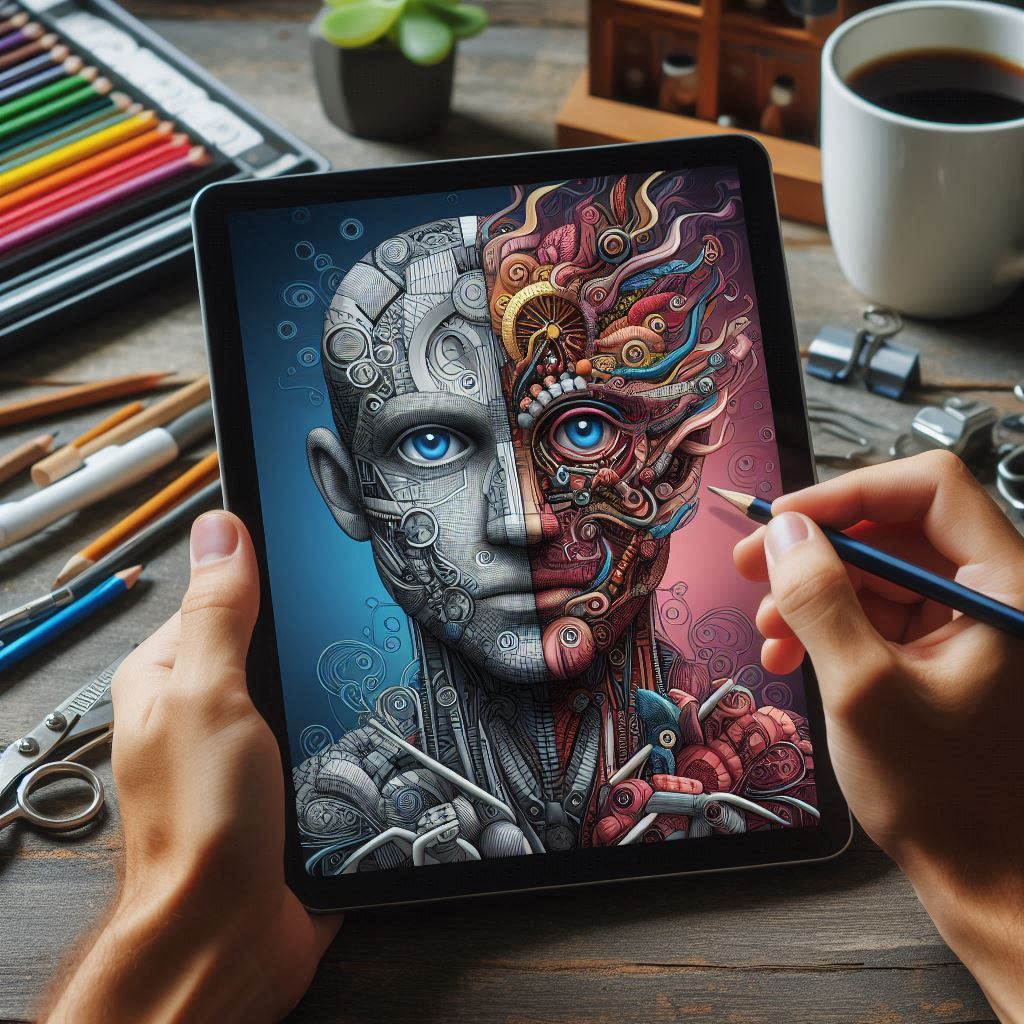
As designers, we strive to create products that transcend functionality and aesthetics to forge deep emotional connections with users. The intersection of technology and art offers a unique opportunity to design with emotion, infusing our creations with qualities that resonate on a profoundly human level. This approach not only enhances the user experience but also builds lasting relationships between users and products.
Key Principles for Designing with Emotion
Emotional Storytelling
Design can tell a story that connects with users on an emotional level. Whether through visual narratives, interactive elements, or the overall journey, storytelling in design can evoke emotions and create a memorable experience.
Human-Centered Approach
Understanding the emotional needs and desires of users is fundamental. By empathizing with users and focusing on their emotional experiences, we can create designs that resonate deeply and personally.
Aesthetic Appeal
The visual and tactile qualities of a product significantly impact emotional response. Attention to color, typography, texture, and form can evoke specific emotions, from joy and excitement to calm and comfort.
Interactive Delight
Incorporating delightful interactions—such as smooth animations, subtle haptic feedback, or unexpected but pleasant surprises—can create positive emotional experiences. These moments of delight enhance user satisfaction and engagement.
Personalization
Allowing users to personalize their experience fosters a sense of ownership and emotional attachment. Customizable elements can range from themes and settings to more profound personalization based on user behavior and preferences.
Examples of Designing with Emotion
Apple’s Product Line
Apple has long excelled at designing with emotion. The sleek, minimalist design of their products, combined with intuitive interactions and high-quality materials, creates an emotional connection with users. The brand’s storytelling—from advertising to unboxing experiences—further strengthens this bond.
Airbnb’s Website and App
Airbnb’s design focuses on creating a welcoming, human-centered experience. The use of warm imagery, personal stories, and an intuitive interface fosters a sense of trust and belonging, which are critical emotions for a platform based on shared spaces.
Nintendo’s Game Design
Nintendo’s games, like those in the "Legend of Zelda" or "Animal Crossing" series, evoke strong emotional responses through immersive storytelling, character development, and engaging gameplay. The whimsical design and attention to detail create lasting emotional connections with players.
Tesla’s In-Car Experience
Tesla combines cutting-edge technology with a focus on user-centric design to create an emotional driving experience. The minimalist interior, responsive touchscreen interface, and seamless integration of software updates enhance the emotional bond between the driver and the car.
The Process of Designing with Emotion
User Research and Empathy
Conduct deep user research to understand the emotional triggers, needs, and desires of your audience. Techniques such as interviews, empathy mapping, and emotion-driven personas help gather insights.
Concept Development
Develop design concepts that prioritize emotional impact. Brainstorm ideas that evoke specific emotions and create mood boards to visualize the desired emotional tone.
Prototyping and Testing
Create prototypes that incorporate emotional design elements and test them with users. Gather feedback on the emotional responses elicited by the design and refine based on this input.
Visual and Interaction Design
Focus on the aesthetic and interactive elements that contribute to the emotional experience. Use color theory, typography, animations, and haptic feedback to craft a design that resonates emotionally.
Storytelling and Branding
Integrate storytelling into the design to create a cohesive and emotionally engaging narrative. Ensure that the brand’s voice and values are reflected consistently across all touchpoints.
Continuous Iteration
Design with emotion is an ongoing process. Continuously gather user feedback, analyze emotional responses, and iterate on the design to enhance its emotional resonance.
The intersection of technology and art in designing with emotion is about creating products that not only function beautifully but also connect with users on a deeper, emotional level. By focusing on emotional storytelling, a human-centered approach, aesthetic appeal, interactive delight, and personalization, we can design experiences that are memorable, engaging, and impactful. This approach not only enriches the user experience but also fosters a lasting emotional bond between users and the products they love. As designers, our legacy will be measured by the emotions we evoke and the connections we create through our work.
As designers, we strive to create products that transcend functionality and aesthetics to forge deep emotional connections with users. The intersection of technology and art offers a unique opportunity to design with emotion, infusing our creations with qualities that resonate on a profoundly human level. This approach not only enhances the user experience but also builds lasting relationships between users and products.
Key Principles for Designing with Emotion
Emotional Storytelling
Design can tell a story that connects with users on an emotional level. Whether through visual narratives, interactive elements, or the overall journey, storytelling in design can evoke emotions and create a memorable experience.
Human-Centered Approach
Understanding the emotional needs and desires of users is fundamental. By empathizing with users and focusing on their emotional experiences, we can create designs that resonate deeply and personally.
Aesthetic Appeal
The visual and tactile qualities of a product significantly impact emotional response. Attention to color, typography, texture, and form can evoke specific emotions, from joy and excitement to calm and comfort.
Interactive Delight
Incorporating delightful interactions—such as smooth animations, subtle haptic feedback, or unexpected but pleasant surprises—can create positive emotional experiences. These moments of delight enhance user satisfaction and engagement.
Personalization
Allowing users to personalize their experience fosters a sense of ownership and emotional attachment. Customizable elements can range from themes and settings to more profound personalization based on user behavior and preferences.
Examples of Designing with Emotion
Apple’s Product Line
Apple has long excelled at designing with emotion. The sleek, minimalist design of their products, combined with intuitive interactions and high-quality materials, creates an emotional connection with users. The brand’s storytelling—from advertising to unboxing experiences—further strengthens this bond.
Airbnb’s Website and App
Airbnb’s design focuses on creating a welcoming, human-centered experience. The use of warm imagery, personal stories, and an intuitive interface fosters a sense of trust and belonging, which are critical emotions for a platform based on shared spaces.
Nintendo’s Game Design
Nintendo’s games, like those in the "Legend of Zelda" or "Animal Crossing" series, evoke strong emotional responses through immersive storytelling, character development, and engaging gameplay. The whimsical design and attention to detail create lasting emotional connections with players.
Tesla’s In-Car Experience
Tesla combines cutting-edge technology with a focus on user-centric design to create an emotional driving experience. The minimalist interior, responsive touchscreen interface, and seamless integration of software updates enhance the emotional bond between the driver and the car.
The Process of Designing with Emotion
User Research and Empathy
Conduct deep user research to understand the emotional triggers, needs, and desires of your audience. Techniques such as interviews, empathy mapping, and emotion-driven personas help gather insights.
Concept Development
Develop design concepts that prioritize emotional impact. Brainstorm ideas that evoke specific emotions and create mood boards to visualize the desired emotional tone.
Prototyping and Testing
Create prototypes that incorporate emotional design elements and test them with users. Gather feedback on the emotional responses elicited by the design and refine based on this input.
Visual and Interaction Design
Focus on the aesthetic and interactive elements that contribute to the emotional experience. Use color theory, typography, animations, and haptic feedback to craft a design that resonates emotionally.
Storytelling and Branding
Integrate storytelling into the design to create a cohesive and emotionally engaging narrative. Ensure that the brand’s voice and values are reflected consistently across all touchpoints.
Continuous Iteration
Design with emotion is an ongoing process. Continuously gather user feedback, analyze emotional responses, and iterate on the design to enhance its emotional resonance.
The intersection of technology and art in designing with emotion is about creating products that not only function beautifully but also connect with users on a deeper, emotional level. By focusing on emotional storytelling, a human-centered approach, aesthetic appeal, interactive delight, and personalization, we can design experiences that are memorable, engaging, and impactful. This approach not only enriches the user experience but also fosters a lasting emotional bond between users and the products they love. As designers, our legacy will be measured by the emotions we evoke and the connections we create through our work.
As designers, we strive to create products that transcend functionality and aesthetics to forge deep emotional connections with users. The intersection of technology and art offers a unique opportunity to design with emotion, infusing our creations with qualities that resonate on a profoundly human level. This approach not only enhances the user experience but also builds lasting relationships between users and products.
Key Principles for Designing with Emotion
Emotional Storytelling
Design can tell a story that connects with users on an emotional level. Whether through visual narratives, interactive elements, or the overall journey, storytelling in design can evoke emotions and create a memorable experience.
Human-Centered Approach
Understanding the emotional needs and desires of users is fundamental. By empathizing with users and focusing on their emotional experiences, we can create designs that resonate deeply and personally.
Aesthetic Appeal
The visual and tactile qualities of a product significantly impact emotional response. Attention to color, typography, texture, and form can evoke specific emotions, from joy and excitement to calm and comfort.
Interactive Delight
Incorporating delightful interactions—such as smooth animations, subtle haptic feedback, or unexpected but pleasant surprises—can create positive emotional experiences. These moments of delight enhance user satisfaction and engagement.
Personalization
Allowing users to personalize their experience fosters a sense of ownership and emotional attachment. Customizable elements can range from themes and settings to more profound personalization based on user behavior and preferences.
Examples of Designing with Emotion
Apple’s Product Line
Apple has long excelled at designing with emotion. The sleek, minimalist design of their products, combined with intuitive interactions and high-quality materials, creates an emotional connection with users. The brand’s storytelling—from advertising to unboxing experiences—further strengthens this bond.
Airbnb’s Website and App
Airbnb’s design focuses on creating a welcoming, human-centered experience. The use of warm imagery, personal stories, and an intuitive interface fosters a sense of trust and belonging, which are critical emotions for a platform based on shared spaces.
Nintendo’s Game Design
Nintendo’s games, like those in the "Legend of Zelda" or "Animal Crossing" series, evoke strong emotional responses through immersive storytelling, character development, and engaging gameplay. The whimsical design and attention to detail create lasting emotional connections with players.
Tesla’s In-Car Experience
Tesla combines cutting-edge technology with a focus on user-centric design to create an emotional driving experience. The minimalist interior, responsive touchscreen interface, and seamless integration of software updates enhance the emotional bond between the driver and the car.
The Process of Designing with Emotion
User Research and Empathy
Conduct deep user research to understand the emotional triggers, needs, and desires of your audience. Techniques such as interviews, empathy mapping, and emotion-driven personas help gather insights.
Concept Development
Develop design concepts that prioritize emotional impact. Brainstorm ideas that evoke specific emotions and create mood boards to visualize the desired emotional tone.
Prototyping and Testing
Create prototypes that incorporate emotional design elements and test them with users. Gather feedback on the emotional responses elicited by the design and refine based on this input.
Visual and Interaction Design
Focus on the aesthetic and interactive elements that contribute to the emotional experience. Use color theory, typography, animations, and haptic feedback to craft a design that resonates emotionally.
Storytelling and Branding
Integrate storytelling into the design to create a cohesive and emotionally engaging narrative. Ensure that the brand’s voice and values are reflected consistently across all touchpoints.
Continuous Iteration
Design with emotion is an ongoing process. Continuously gather user feedback, analyze emotional responses, and iterate on the design to enhance its emotional resonance.
The intersection of technology and art in designing with emotion is about creating products that not only function beautifully but also connect with users on a deeper, emotional level. By focusing on emotional storytelling, a human-centered approach, aesthetic appeal, interactive delight, and personalization, we can design experiences that are memorable, engaging, and impactful. This approach not only enriches the user experience but also fosters a lasting emotional bond between users and the products they love. As designers, our legacy will be measured by the emotions we evoke and the connections we create through our work.
Siap untuk memimpin masa depan?
©2024, rajeshsiburian
Siap untuk memimpin masa depan?
©2024, rajeshsiburian
Siap untuk memimpin masa depan?
©2024, rajeshsiburian