Unleashing creativity on how to design a Lizard
Unleashing creativity on how to design a Lizard
2 Jul 2024
2 Jul 2024
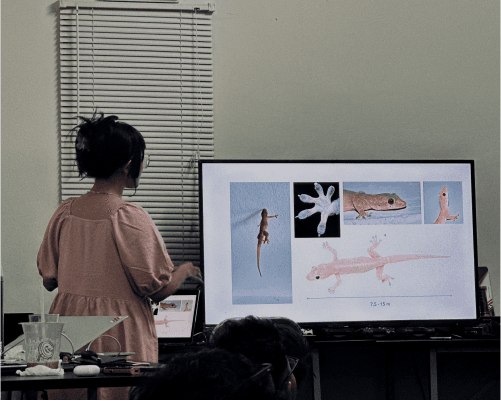
Session by Sheii on OWW Group
Creating a compelling and visually appealing design is both an art and a science, requiring a blend of creativity, technical skill, and a deep understanding of the subject matter. Designing a lizard, whether for a digital project, a brand mascot, or a piece of art, presents a unique set of challenges and opportunities. In this blog, we'll explore the steps to effectively design a lizard, focusing on key aspects such as anatomy, texture, color, and personality. Let's dive in!
Understanding Lizard Anatomy
Before you start sketching, it's crucial to understand the basic anatomy of a lizard. Lizards come in various shapes and sizes, but they all share common anatomical features that can serve as a foundation for your design.
Body Structure:
Head: Lizards typically have triangular heads with prominent eyes and mouths. The size and shape of the head can vary significantly among species.
Torso: The body is generally elongated and flexible, allowing for a wide range of motion.
Limbs: Lizards have four limbs, each ending in clawed toes. The length and thickness of the limbs can vary.
Tail: The tail is often as long as or longer than the body and can be straight or curled.
Skeleton and Musculature:
Study the skeletal structure to understand the placement of bones and joints.
Observe muscle groups to see how they influence the shape and movement of the lizard.
Sketching the Basic Outline
Start with a rough sketch to capture the overall shape and proportions of your lizard. This initial step is crucial for laying the groundwork for a more detailed design.
Outline the Head and Body:
Draw a rough shape for the head, neck, and torso. Keep the proportions in mind.
Sketch the limbs and tail, ensuring they are positioned correctly relative to the body.
Add Basic Details:
Mark the placement of eyes, nostrils, and mouth on the head.
Indicate the joints in the limbs and segments of the tail.
Adding Texture and Detail
Texture is a vital aspect of lizard design, as it adds realism and interest to the artwork. Lizards have various skin textures, ranging from smooth and shiny to rough and scaly.
Skin Texture:
Use reference images to study the texture of real lizard skin.
Experiment with different textures, such as scales, spikes, and ridges.
Color and Patterns:
Lizards often have vibrant colors and intricate patterns. Choose a color palette that reflects the lizard’s natural environment or your design's purpose.
Add patterns such as stripes, spots, or camouflaged designs to make your lizard stand out.
Infusing Personality
Every great design has personality, and your lizard should be no exception. Consider the character traits you want to convey through your design.
Facial Expressions:
Adjust the shape and position of the eyes, mouth, and other facial features to convey emotions such as curiosity, aggression, or friendliness.
Posture and Movement:
Experiment with different poses and movements to express the lizard’s personality. A coiled tail, an arched back, or an extended limb can add dynamic interest to your design.
Refining and Finalizing
Once you have a detailed sketch with texture, color, and personality, it’s time to refine and finalize your design.
Line Work:
Go over your sketch with clean, definitive lines. Use varying line weights to add depth and emphasis to certain areas.
Shading and Highlighting:
Add shading and highlights to create a sense of depth and realism. Pay attention to the light source and how it affects different parts of the lizard’s body.
Digital Enhancement:
If working digitally, use graphic design software to enhance your design. Experiment with layers, brushes, and effects to achieve the desired look.
Conclusion
Designing a lizard is a fascinating journey that combines art and science. By understanding lizard anatomy, sketching basic outlines, adding texture and detail, infusing personality, and refining your work, you can create a lizard design that is both realistic and captivating. Whether you're designing for a game, a brand, or an art project, these steps will help you bring your lizard to life. Happy designing!
Creating a compelling and visually appealing design is both an art and a science, requiring a blend of creativity, technical skill, and a deep understanding of the subject matter. Designing a lizard, whether for a digital project, a brand mascot, or a piece of art, presents a unique set of challenges and opportunities. In this blog, we'll explore the steps to effectively design a lizard, focusing on key aspects such as anatomy, texture, color, and personality. Let's dive in!
Understanding Lizard Anatomy
Before you start sketching, it's crucial to understand the basic anatomy of a lizard. Lizards come in various shapes and sizes, but they all share common anatomical features that can serve as a foundation for your design.
Body Structure:
Head: Lizards typically have triangular heads with prominent eyes and mouths. The size and shape of the head can vary significantly among species.
Torso: The body is generally elongated and flexible, allowing for a wide range of motion.
Limbs: Lizards have four limbs, each ending in clawed toes. The length and thickness of the limbs can vary.
Tail: The tail is often as long as or longer than the body and can be straight or curled.
Skeleton and Musculature:
Study the skeletal structure to understand the placement of bones and joints.
Observe muscle groups to see how they influence the shape and movement of the lizard.
Sketching the Basic Outline
Start with a rough sketch to capture the overall shape and proportions of your lizard. This initial step is crucial for laying the groundwork for a more detailed design.
Outline the Head and Body:
Draw a rough shape for the head, neck, and torso. Keep the proportions in mind.
Sketch the limbs and tail, ensuring they are positioned correctly relative to the body.
Add Basic Details:
Mark the placement of eyes, nostrils, and mouth on the head.
Indicate the joints in the limbs and segments of the tail.
Adding Texture and Detail
Texture is a vital aspect of lizard design, as it adds realism and interest to the artwork. Lizards have various skin textures, ranging from smooth and shiny to rough and scaly.
Skin Texture:
Use reference images to study the texture of real lizard skin.
Experiment with different textures, such as scales, spikes, and ridges.
Color and Patterns:
Lizards often have vibrant colors and intricate patterns. Choose a color palette that reflects the lizard’s natural environment or your design's purpose.
Add patterns such as stripes, spots, or camouflaged designs to make your lizard stand out.
Infusing Personality
Every great design has personality, and your lizard should be no exception. Consider the character traits you want to convey through your design.
Facial Expressions:
Adjust the shape and position of the eyes, mouth, and other facial features to convey emotions such as curiosity, aggression, or friendliness.
Posture and Movement:
Experiment with different poses and movements to express the lizard’s personality. A coiled tail, an arched back, or an extended limb can add dynamic interest to your design.
Refining and Finalizing
Once you have a detailed sketch with texture, color, and personality, it’s time to refine and finalize your design.
Line Work:
Go over your sketch with clean, definitive lines. Use varying line weights to add depth and emphasis to certain areas.
Shading and Highlighting:
Add shading and highlights to create a sense of depth and realism. Pay attention to the light source and how it affects different parts of the lizard’s body.
Digital Enhancement:
If working digitally, use graphic design software to enhance your design. Experiment with layers, brushes, and effects to achieve the desired look.
Conclusion
Designing a lizard is a fascinating journey that combines art and science. By understanding lizard anatomy, sketching basic outlines, adding texture and detail, infusing personality, and refining your work, you can create a lizard design that is both realistic and captivating. Whether you're designing for a game, a brand, or an art project, these steps will help you bring your lizard to life. Happy designing!
Creating a compelling and visually appealing design is both an art and a science, requiring a blend of creativity, technical skill, and a deep understanding of the subject matter. Designing a lizard, whether for a digital project, a brand mascot, or a piece of art, presents a unique set of challenges and opportunities. In this blog, we'll explore the steps to effectively design a lizard, focusing on key aspects such as anatomy, texture, color, and personality. Let's dive in!
Understanding Lizard Anatomy
Before you start sketching, it's crucial to understand the basic anatomy of a lizard. Lizards come in various shapes and sizes, but they all share common anatomical features that can serve as a foundation for your design.
Body Structure:
Head: Lizards typically have triangular heads with prominent eyes and mouths. The size and shape of the head can vary significantly among species.
Torso: The body is generally elongated and flexible, allowing for a wide range of motion.
Limbs: Lizards have four limbs, each ending in clawed toes. The length and thickness of the limbs can vary.
Tail: The tail is often as long as or longer than the body and can be straight or curled.
Skeleton and Musculature:
Study the skeletal structure to understand the placement of bones and joints.
Observe muscle groups to see how they influence the shape and movement of the lizard.
Sketching the Basic Outline
Start with a rough sketch to capture the overall shape and proportions of your lizard. This initial step is crucial for laying the groundwork for a more detailed design.
Outline the Head and Body:
Draw a rough shape for the head, neck, and torso. Keep the proportions in mind.
Sketch the limbs and tail, ensuring they are positioned correctly relative to the body.
Add Basic Details:
Mark the placement of eyes, nostrils, and mouth on the head.
Indicate the joints in the limbs and segments of the tail.
Adding Texture and Detail
Texture is a vital aspect of lizard design, as it adds realism and interest to the artwork. Lizards have various skin textures, ranging from smooth and shiny to rough and scaly.
Skin Texture:
Use reference images to study the texture of real lizard skin.
Experiment with different textures, such as scales, spikes, and ridges.
Color and Patterns:
Lizards often have vibrant colors and intricate patterns. Choose a color palette that reflects the lizard’s natural environment or your design's purpose.
Add patterns such as stripes, spots, or camouflaged designs to make your lizard stand out.
Infusing Personality
Every great design has personality, and your lizard should be no exception. Consider the character traits you want to convey through your design.
Facial Expressions:
Adjust the shape and position of the eyes, mouth, and other facial features to convey emotions such as curiosity, aggression, or friendliness.
Posture and Movement:
Experiment with different poses and movements to express the lizard’s personality. A coiled tail, an arched back, or an extended limb can add dynamic interest to your design.
Refining and Finalizing
Once you have a detailed sketch with texture, color, and personality, it’s time to refine and finalize your design.
Line Work:
Go over your sketch with clean, definitive lines. Use varying line weights to add depth and emphasis to certain areas.
Shading and Highlighting:
Add shading and highlights to create a sense of depth and realism. Pay attention to the light source and how it affects different parts of the lizard’s body.
Digital Enhancement:
If working digitally, use graphic design software to enhance your design. Experiment with layers, brushes, and effects to achieve the desired look.
Conclusion
Designing a lizard is a fascinating journey that combines art and science. By understanding lizard anatomy, sketching basic outlines, adding texture and detail, infusing personality, and refining your work, you can create a lizard design that is both realistic and captivating. Whether you're designing for a game, a brand, or an art project, these steps will help you bring your lizard to life. Happy designing!
Siap untuk memimpin masa depan?
©2024, rajeshsiburian
Siap untuk memimpin masa depan?
©2024, rajeshsiburian
Siap untuk memimpin masa depan?
©2024, rajeshsiburian